
If you are asking is it safe to travel to Morocco, you are not alone. Morocco is one of the most visited countries in North Africa, attracting millions of travelers every year. From the bustling markets of Marrakech to the blue streets of Chefchaouen and the vast Sahara Desert, Morocco offers culture, history, architecture, and adventure in one destination.
But safety is always a priority when planning international travel. In this complete guide, we will answer the question Is It Safe To Travel To Moracco in detail. We will cover crime rates, scams, solo travel, women’s safety, transportation, health concerns, political stability, and practical travel tips.
This guide is written in a clear, structured, and practical way so you can plan your Morocco trip with confidence.
Is It Safe To Travel To Morocco Overall?
The short answer is yes. For most tourists, Morocco is generally safe to visit. The country relies heavily on tourism and has strong security measures in place in major cities and tourist areas.
That said, like any destination, there are precautions you should take. Morocco is not completely risk-free, but violent crime against tourists is rare. Most safety concerns involve petty theft or common scams.
So when asking is it safe to travel to Morocco, the better question is: how can you travel smart?
Political Stability and Security
One of the first concerns travelers have when asking is it safe to travel to Morocco is political stability.
Morocco is considered one of the more stable countries in North Africa. The country is governed as a constitutional monarchy under Mohammed VI.
Security presence is visible in airports, tourist attractions, and city centers. Police patrols are common in major tourist areas such as:
- Marrakech
- Fes
- Casablanca
- Rabat
Morocco has implemented counter-terrorism measures over the years. While no country is completely immune to global security risks, Morocco has maintained relative stability compared to other parts of the region.
Crime in Morocco: What You Should Know
When researching is it safe to travel to Morocco, crime statistics are important.
Petty Crime
The most common issue tourists face is petty theft, including:
- Pickpocketing
- Bag snatching
- Phone theft
- Minor scams
These incidents usually occur in crowded markets or busy city squares.
For example, in places like Jemaa el-Fnaa in Marrakech, crowds are dense, and opportunistic theft can happen.
Violent Crime
Violent crime against tourists is rare. Most visits are trouble-free if basic precautions are taken.
How to Reduce Risk
- Avoid displaying expensive jewelry
- Keep your phone secure
- Use hotel safes
- Stay alert in crowded areas
If you are asking is it safe to travel to Morocco, the answer depends largely on your street awareness.
Is It Safe To Travel To Morocco As a Solo Traveler?
Many independent explorers ask, is it safe to travel to Morocco as a solo traveler? The short answer is yes, but like any destination, Morocco requires awareness, cultural understanding, and smart decision-making. Solo travel in Morocco can be deeply rewarding, offering personal freedom, immersive cultural encounters, and unforgettable landscapes. However, understanding social norms and practical safety measures will significantly improve your experience.
Morocco receives thousands of solo visitors each year who travel without incident. Most safety concerns involve minor issues such as persistent sales tactics or unwanted attention rather than serious crime. With preparation and confidence, solo travel in Morocco can be both safe and enjoyable.
Solo Male Travelers
For men wondering, is it safe to travel to Morocco alone, the experience is generally straightforward. Solo male travelers typically encounter minimal safety concerns beyond common tourist scams or assertive market vendors.
Men may experience:
- Strong sales pressure in souks (markets)
- Persistent offers for guiding services
- Occasional taxi pricing negotiations
Violent crime against tourists is rare. Most interactions are centered around commerce rather than threat. Maintaining awareness in crowded areas and avoiding isolated neighborhoods late at night are standard precautions that apply anywhere in the world.
In cities like Marrakech and Fes, solo male travelers generally move comfortably throughout tourist zones, especially during daylight hours.
Solo Female Travelers
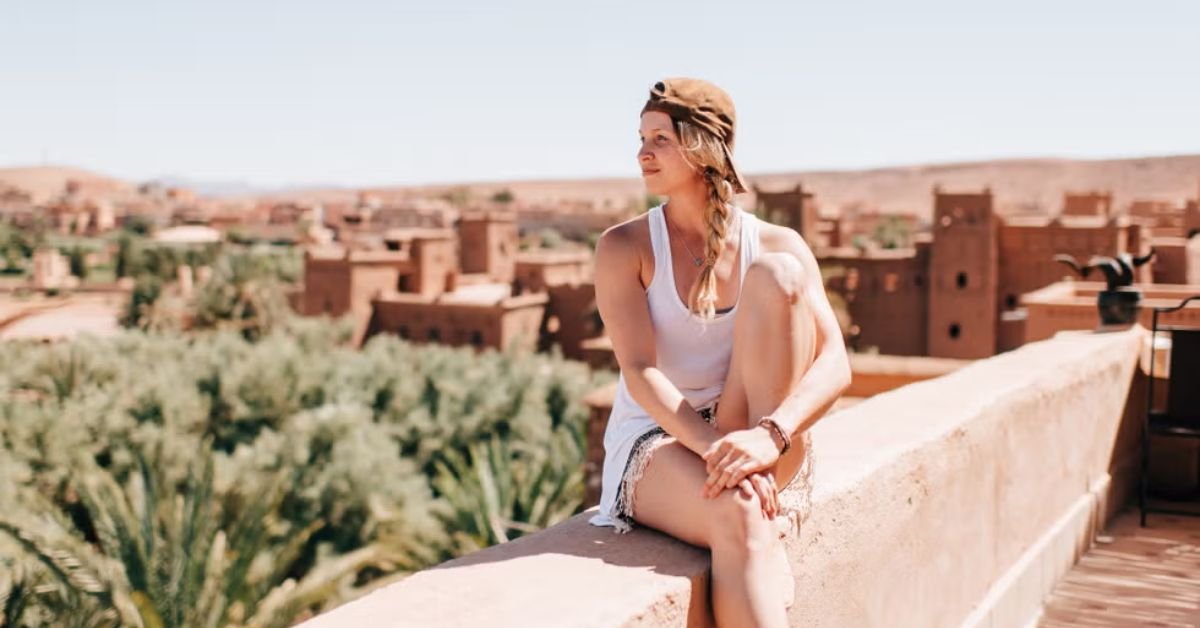
A common and important question remains: is it safe to travel to Morocco as a woman alone? The honest answer is yes, but with cultural awareness. Morocco is safe for women in terms of violent crime rates, but cultural differences may lead to unwanted attention, especially in busy marketplaces or medinas.
Women may experience:
- Catcalling
- Staring
- Persistent attempts at conversation
This attention is usually verbal rather than physical. However, it can feel uncomfortable if you are not prepared for it.
Thousands of solo female travelers visit Morocco successfully every year, especially in popular destinations like Chefchaouen and Essaouira, which tend to feel more relaxed than larger cities.
Practical Safety Tips for Solo Women
If you are asking is it safe to travel to Morocco as a solo female traveler, these practical tips can help:
- Dress modestly by covering shoulders and knees
- Avoid walking alone in isolated areas at night
- Use registered taxis or ride services
- Book well-reviewed accommodations
- Walk confidently and avoid prolonged eye contact
- Politely but firmly decline unwanted interactions
Dressing conservatively does not mean sacrificing personal style. It simply aligns with local norms and often reduces unwanted attention.
Building Confidence as a Solo Traveler
Confidence plays a major role in answering the question, is it safe to travel to Morocco alone? Walking with purpose, planning routes in advance, and understanding basic phrases in Arabic or French can make a significant difference.
Booking guided tours for day trips, especially in places like the Atlas Mountains or Sahara Desert, adds an extra layer of security and structure.
Common Scams Tourists Should Know
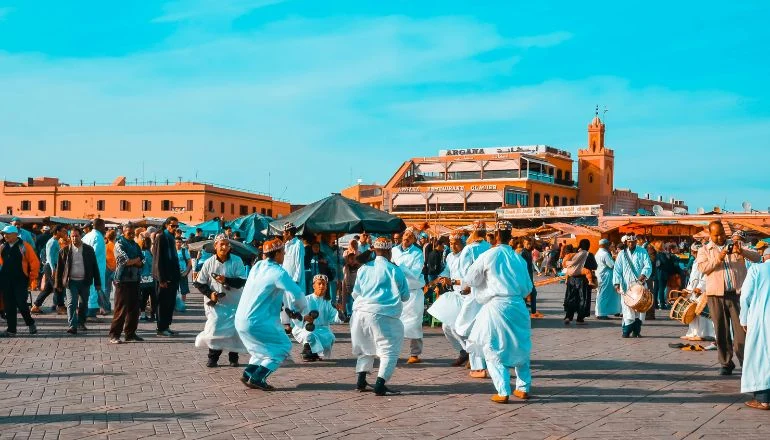
When asking is it safe to travel to Morocco, it is important to understand that most safety concerns relate to minor scams rather than serious crime. Morocco is generally safe for visitors, but like many popular tourist destinations, opportunistic scams exist, especially in busy areas and historic medinas.
Being aware of common tactics helps you avoid uncomfortable situations and travel with confidence. Understanding how these scams work makes Morocco easier and safer to navigate.
Fake Guides in the Medina
In cities such as Marrakech and Fes, the medinas can feel like labyrinths. Unofficial individuals may approach tourists offering help with directions. They may seem friendly at first, but after guiding you for a short distance, they often demand payment.
Some may even claim that a certain street is closed and insist you follow them instead.
How to avoid it:
Use licensed guides arranged through your hotel or a verified tour company. If someone approaches you, politely decline and continue walking confidently. If you need directions, ask inside a shop or consult your navigation app discreetly.
Overpriced or Unmetered Taxis
Another common concern when asking is it safe to travel to Morocco involves taxis. In some cities, drivers may refuse to use the meter or claim it is broken. This can lead to inflated fares, especially for tourists.
How to avoid it:
Before entering the taxi, confirm that the driver will use the meter. If no meter is available, agree on a price before starting the ride. Keeping small bills makes transactions smoother and avoids disputes.
Henna Scams
In tourist-heavy areas, especially in Marrakech, women may approach visitors and quickly begin applying henna designs without clear consent. Once applied, they demand payment, often at an inflated rate.
How to avoid it:
Politely but firmly refuse unsolicited services. Keep your hands to yourself and avoid prolonged interaction if you are not interested. Licensed henna artists typically operate from fixed stalls and display pricing openly.
Photo Payment Requests
Some street performers, snake charmers, or vendors may allow photos but then aggressively demand payment afterward.
How to avoid it:
Always ask about the price before taking photos. If you do not intend to pay, avoid photographing individuals directly.
“Closed Attraction” Claims
Occasionally, someone may tell you that a popular attraction is closed and offer to take you somewhere else instead, often to a shop where they earn commission.
How to avoid it:
Verify opening hours independently and proceed directly to the entrance of the attraction yourself.
Why Awareness Matters
When evaluating is it safe to travel to Morocco, it is important to recognize that these scams are generally non-violent and avoidable. They rely on confusion or hesitation rather than threat.
By staying calm, confident, and informed, you significantly reduce your chances of being targeted. Most Moroccans are welcoming and hospitable, and these scams represent a small minority of interactions.
Understanding common scams not only reduces stress but also allows you to focus on enjoying Morocco’s vibrant culture, historic architecture, and breathtaking landscapes with greater peace of mind.
Is It Safe To Travel To Morocco for Families?
Families often ask, is it safe to travel to Morocco with children?
Morocco is family-friendly in many ways:
- Welcoming culture
- Strong hospitality traditions
- Good mid-range and luxury hotels
- Safe tourist infrastructure
Cities like Essaouira offer relaxed coastal environments suitable for families.
As with any destination, keep children close in busy areas.
Transportation Safety in Morocco
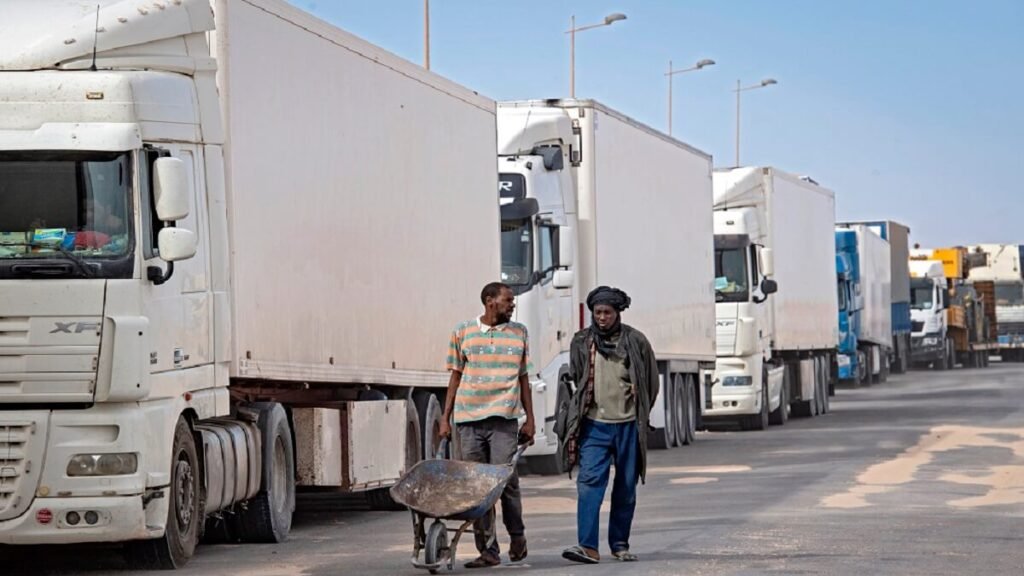
Transportation plays a major role when evaluating is it safe to travel to Morocco. The good news is that Morocco has one of the most developed transport systems in North Africa. Trains, highways, and domestic flights connect major cities efficiently. Most tourist routes are well maintained and heavily used, which increases overall safety.
Train Travel in Morocco
For travelers asking is it safe to travel to Morocco by train, the answer is generally yes. Morocco’s national railway network is modern and reliable, especially on major routes connecting:
- Casablanca
- Rabat
- Fes
- Marrakech
Trains are clean, affordable, and widely used by locals and tourists alike. First-class tickets offer assigned seating and quieter cabins.
The high-speed Al Boraq connects Casablanca and Tangier in significantly reduced travel time. It is considered safe, modern, and comfortable.
Train stations in major cities have visible security presence. As with any public transport system, keep your belongings secure and remain aware of your surroundings.
Taxi Safety in Morocco
Another important factor in deciding is it safe to travel to Morocco involves taxis. There are two main types:
- Petit taxis (small taxis) operate within cities
- Grand taxis (larger vehicles) travel between cities
Using official, clearly marked taxis is recommended. In many cities, petit taxis use meters, but it is wise to confirm before the ride begins. If there is no meter, agree on the fare in advance.
Rideshare apps are available in some cities, offering additional convenience.
Driving in Morocco
Driving in Morocco is generally safe on major highways and in tourist corridors. Roads between cities like Casablanca, Rabat, and Marrakech are in good condition.
However, driving styles may differ from Western norms. Expect:
- Frequent lane changes
- Aggressive overtaking in some areas
- Pedestrians crossing unpredictably
If you are comfortable driving in unfamiliar environments, renting a car can be convenient, especially for exploring rural areas. Otherwise, trains and private transfers are simpler options.
Overall, public transportation in major tourist corridors is considered safe and practical.
Health and Medical Safety
Another key aspect of answering is it safe to travel to Morocco involves health considerations. While Morocco is not a high-risk health destination, taking precautions ensures a smoother trip.
Food Safety
Moroccan cuisine is rich in flavor and variety. Dishes such as tagine and couscous are staples. However, travelers should be mindful of hygiene.
To reduce risk:
- Eat at busy restaurants with high turnover
- Avoid street food that appears unhygienic
- Choose freshly prepared meals
- Drink bottled water instead of tap water
Ice in drinks is generally safe in reputable establishments, but if unsure, request drinks without ice.
Medical Facilities
Major cities like Casablanca, Rabat, and Marrakech have private clinics with good medical standards. English-speaking doctors are often available in tourist centers.
Pharmacies are common and well stocked.
Comprehensive travel insurance is strongly recommended. It provides coverage for unexpected medical expenses and evacuation if necessary.
For most travelers, health concerns are minimal with basic precautions.
Natural Hazards and Environmental Safety
When discussing is it safe to travel to Morocco, environmental conditions also matter. Morocco’s landscapes range from deserts to mountains to coastal areas, each with specific considerations.
Desert Travel in the Sahara
The Sahara Desert is one of Morocco’s most iconic attractions. However, temperatures can be extreme, especially in summer months.
If planning desert excursions:
- Book reputable tour operators
- Bring sufficient water
- Protect against sun exposure
- Follow guide instructions carefully
Guided tours reduce risk significantly. Attempting independent desert travel is not recommended.
Trekking in the Atlas Mountains
The Atlas Mountains offer excellent trekking opportunities. Routes range from moderate walks to challenging climbs, including Mount Toubkal, North Africa’s highest peak.
For higher-altitude hikes:
- Use experienced local guides
- Check weather conditions
- Wear proper footwear
- Acclimatize properly
Mountain weather can change quickly, so preparation is essential.
Earthquake Awareness
Morocco lies in a seismic zone. Earthquakes are rare but possible. Modern buildings in major cities follow updated construction standards, especially after recent seismic activity in certain regions.
Travelers should:
- Follow local news updates
- Familiarize themselves with emergency exits in accommodations
- Stay informed about regional conditions
While earthquakes are not a daily concern, awareness adds an extra layer of preparedness.
Cultural Considerations
Understanding culture improves safety.
Morocco is a predominantly Muslim country. Respecting local customs enhances your experience.
Tips:
- Dress modestly
- Ask before photographing people
- Avoid public displays of affection
Respect builds positive interactions.
Is It Safe To Travel To Morocco Compared to Other Countries?
When travelers compare destinations and ask is it safe to travel to Morocco compared to other countries, they are usually trying to understand risk levels in context. Morocco is not a high-risk destination for tourists. In fact, its overall safety profile is similar to many popular global travel hotspots.
Petty crime such as pickpocketing and minor scams exists, especially in crowded tourist areas. However, these issues are comparable to what visitors might experience in large European cities like Rome, Paris, or Barcelona. Violent crime targeting tourists remains low.
Morocco is also generally considered safer than several countries within its broader North African region due to political stability, visible security forces, and strong tourism infrastructure. Police presence is noticeable in airports, train stations, and major attractions, adding an additional layer of reassurance.
Crime Comparison with Europe and the United States
When evaluating is it safe to travel to Morocco, it helps to compare crime patterns. Petty theft levels in Morocco are similar to those found in many Western cities. Crowded areas naturally create opportunities for opportunistic crime.
Serious violent incidents involving tourists are rare. In many cases, Morocco’s crime rates affecting visitors are lower than some urban areas in the United States or parts of Southern Europe.
That said, common sense precautions remain essential wherever you travel.
Political and Regional Stability
Morocco has maintained relative political stability for decades under Mohammed VI. Compared to certain neighboring countries that have experienced unrest, Morocco has remained more stable and consistent in its governance.
Security forces actively monitor tourist areas, and major cities maintain visible law enforcement presence. This contributes positively when asking is it safe to travel to Morocco.
Best Cities to Visit Safely in Morocco
Understanding which cities are considered secure helps further answer is it safe to travel to Morocco. While safety ultimately depends on behavior and awareness, several Moroccan cities are widely regarded as safe for tourism.
Marrakech
Marrakech is one of the most visited destinations in Morocco. It is vibrant, busy, and full of energy. Tourist zones, especially around Jemaa el-Fnaa square, are heavily monitored by police.
While petty theft can occur in crowded areas, violent crime is rare. Staying alert in the medina and avoiding isolated alleys at night ensures a safe experience.
Fes
Fes is famous for its historic medina. The maze-like layout can feel overwhelming for first-time visitors. While Fes is generally safe, navigation awareness is important.
Using licensed guides for the old city can improve both safety and understanding. Most concerns in Fes involve navigation confusion rather than crime.
Rabat
Rabat, the capital city, has a calmer and more administrative atmosphere. Wide boulevards, government buildings, and lower tourist density contribute to a sense of security.
Rabat is often considered one of the safest major cities in Morocco due to its organized structure and strong police presence.
Chefchaouen
Chefchaouen is peaceful and relaxed. Known for its blue-painted streets and mountain setting, it attracts photographers and solo travelers.
Crime levels are low, and the town’s smaller size makes it easier to navigate. Many visitors describe Chefchaouen as one of the safest and most comfortable places in Morocco.
Casablanca
Casablanca is Morocco’s economic hub. It feels modern and commercial compared to older cities. Tourist attractions such as the Hassan II Mosque are well secured.
Like any large city, urban awareness is important. However, Casablanca maintains a stable and generally safe environment for travelers.
Tips to Stay Safe in Morocco
If you are still asking is it safe to travel to Morocco, follow these practical tips:
- Book accommodations in well-reviewed areas
- Keep copies of passport
- Avoid walking alone late at night
- Use licensed tour operators
- Carry small change
- Stay confident but polite
Preparation increases safety.
Must Read:
- Chobe Safari Lodge Africa Travel Resource
- Spain Travel Barcelona Sagrada Familia
- What is the Most Beautiful Part of Poland?
Final Verdict:
So, is it safe to travel to Morocco?
Yes, for most travelers, Morocco is safe when you use common sense and basic precautions. The country welcomes millions of visitors each year without serious incident.
The main risks involve petty theft and minor scams rather than violent crime. With awareness, planning, and respect for local culture, Morocco can be a rewarding and safe destination.
If you prepare properly, book reliable services, and stay alert in busy areas, your Moroccan journey is likely to be memorable for all the right reasons.
Morocco offers rich culture, stunning landscapes, warm hospitality, and unforgettable experiences. Safety should not prevent you from exploring it, but smart travel habits should always guide your trip.