


Dubai is one of the most popular international destinations, attracting millions of visitors every year. From record-breaking skyscrapers and luxury shopping to desert adventures and cultural experiences, the city offers something for every type of traveller. Landmarks such as the Burj Khalifa symbolise its modern image, yet Dubai remains deeply rooted in the legal and cultural structure of the United Arab Emirates.
Because of this blend of global lifestyle and traditional values, many visitors ask a very important question before travelling: what are the rules in Dubai for tourists? Understanding the legal and cultural expectations ensures a smooth, respectful, and enjoyable trip.
Below is a detailed breakdown of what are the rules in Dubai for tourists, organised with clear sections and explanations.
Understanding Dubai’s Legal Framework
Dubai follows a structured legal system based on UAE federal law and local emirate regulations. Tourists must respect these laws just as residents do. Knowing the legal environment helps avoid misunderstandings and unnecessary risks.
Federal and Emirate Laws
Dubai operates under UAE federal law, which applies across all seven emirates. Local regulations may add specific rules within Dubai itself. When asking what are the rules in Dubai for tourists, it is important to remember that enforcement is strict and consistent. Fines, detention, or deportation are possible for serious violations.
Ignorance of the law is not accepted as an excuse. Visitors are expected to comply fully with authorities.
Importance of Respecting Local Traditions
While Dubai is cosmopolitan and modern, it remains culturally conservative in certain areas. Laws are influenced by Islamic principles. Respect for religion, leadership, and social norms is taken seriously. Tourists who behave politely and modestly rarely encounter issues.
Understanding cultural sensitivity is a major part of knowing what are the rules in Dubai for tourists.
Dress Code Rules for Tourists

Dubai does not require tourists to wear traditional clothing, but modesty is important in public spaces. Dressing appropriately helps avoid unwanted attention or official warnings.
Clothing in Public Places
In malls, markets, metro stations, and government buildings, clothing should be modest. Extremely revealing outfits may be considered inappropriate. While casual Western clothing is common, it is advisable to cover shoulders and knees in public indoor areas.
Beachwear should not be worn in shopping centres or city streets.
Dress Code at Beaches and Pools
Swimwear is allowed at hotel pools and public beaches. However, topless sunbathing is illegal. Leaving beach areas while wearing only swimwear is not permitted. It is expected that tourists change into regular clothing before entering public spaces.
Understanding clothing expectations is a key part of learning what are the rules in Dubai for tourists.
Visiting Mosques and Religious Sites
If visiting religious sites such as Jumeirah Mosque, modest attire is mandatory. Women must cover their hair, arms, and legs. Men must wear long trousers and avoid sleeveless shirts. Respectful dress is required at all religious locations.
Alcohol Regulations in Dubai
Alcohol is legal in Dubai but highly regulated. Tourists must understand these restrictions clearly to avoid legal trouble.
Where Alcohol Is Allowed
Alcohol can only be consumed in licensed venues such as hotels, bars, clubs, and approved restaurants. Drinking alcohol in public areas such as streets, beaches, or parks is illegal.
The legal drinking age is twenty-one years.
Public Intoxication and Driving Laws
Being visibly intoxicated in public is a criminal offence. Dubai has zero tolerance for drinking and driving. Even small amounts of alcohol detected while driving can lead to arrest, heavy fines, or imprisonment.
When discussing what are the rules in Dubai for tourists, alcohol laws are among the most strictly enforced.
Public Behaviour and Conduct
Dubai maintains high standards of public behaviour. Tourists are expected to act respectfully at all times.
Public Displays of Affection
Holding hands is generally tolerated, especially for married couples. However, kissing, hugging excessively, or intimate behaviour in public can lead to fines or complaints.
Maintaining modest behaviour is essential.
Offensive Language and Gestures
Using abusive language, shouting aggressively, or making rude hand gestures can result in legal consequences. Even online insults directed at someone inside the UAE can be treated seriously under cybercrime laws.
Calm and respectful communication is always advised.
Rules About Relationships and Accommodation

Dubai has modernised several personal laws in recent years, especially to accommodate its large expatriate population and international tourists. However, public decency standards still apply, and respectful behaviour remains essential.
When understanding what are the rules in Dubai for tourists, it is important to distinguish between private accommodation and public conduct.
Legal Changes Regarding Unmarried Couples
In the past, unmarried couples living together could face legal consequences. Recent reforms in the United Arab Emirates have relaxed these restrictions.
Today, unmarried couples are generally permitted to stay together in hotels or private accommodation without legal problems. This change reflects Dubai’s global tourism focus, but public behaviour rules still apply outside private spaces.
Hotel Policies and Guest Registration
Most international hotels in Dubai do not require proof of marriage for couples sharing a room. Passport copies are typically required at check-in, and hotels follow standard identification procedures.
While the law allows cohabitation, individual hotel policies may vary slightly. It is always advisable to book reputable hotels that regularly host international tourists.
Public Displays of Affection
Even though private accommodation rules have become more flexible, public decency laws remain strict. Intimate acts in public places are illegal.
Holding hands is usually tolerated, especially for couples, but kissing or excessive physical affection can lead to complaints or fines. When asking what are the rules in Dubai for tourists, public conduct is a key factor.
Privacy Versus Public Spaces
Dubai differentiates clearly between private and public behaviour. What happens inside a private hotel room is generally treated differently from actions in public areas such as malls, beaches, parks, or streets.
Tourists should understand that modesty standards apply once they step into public view. Respectful behaviour helps avoid unnecessary legal attention.
Cultural Sensitivity and Responsible Conduct
Dubai is home to people from many cultures, yet traditional values remain influential. Modest and respectful conduct is always recommended, even if certain laws have been relaxed.
Understanding social expectations is part of knowing what are the rules in Dubai for tourists. When visitors act responsibly, they rarely encounter any issues related to relationships or accommodation.
Photography and Social Media Rules
Photography is common in Dubai, but certain restrictions apply.
Taking Photos in Public
Photographing landmarks and public attractions is allowed. However, taking pictures of government buildings, military sites, or airports is prohibited. Taking photos of people without their consent, especially women and families, can lead to serious legal consequences.
Always ask permission before photographing individuals.
Social Media Responsibility
Posting offensive content, spreading false information, or insulting religion or leadership online can result in heavy penalties. UAE cybercrime laws apply to tourists as well.
Understanding digital conduct is another important aspect of what are the rules in Dubai for tourists.
Drug Laws and Zero Tolerance Policy
Dubai has one of the strictest drug enforcement systems in the world. When discussing what are the rules in Dubai for tourists, drug laws are among the most serious and non-negotiable regulations.
The UAE follows a zero tolerance approach, meaning even very small quantities of banned substances can result in arrest, detention, heavy fines, or imprisonment.
Strict Penalties for Possession and Consumption
Possession of illegal drugs, even in trace amounts, is considered a criminal offence. This includes substances that may be legal or decriminalised in other countries. Carrying drugs in luggage, clothing, or personal bags can lead to immediate arrest at the airport. Drug trafficking carries extremely severe penalties.
Authorities conduct random checks, and Dubai airports use advanced scanning systems. Claiming that the substance was forgotten or accidentally carried is not accepted as an excuse.
Understanding what are the rules in Dubai for tourists is critical because drug-related offences are treated far more seriously here than in many Western nations.
Prescription Medication Regulations
Another important aspect involves prescription medication. Some medicines that are legal in other countries may be classified as controlled substances in the UAE. This includes certain painkillers, anti-anxiety medicines, and sleep medications.
Travellers must carry a valid prescription and, in some cases, an official medical certificate. It is advisable to check the UAE Ministry of Health guidelines before travelling. Bringing medication without proper documentation can result in confiscation or legal action.
Zero Tolerance and No Exceptions
Dubai’s drug policy leaves little room for leniency. There is no tolerance for recreational use, even in private spaces. Drug tests can be conducted in certain circumstances, and failing one can lead to prosecution.
When reviewing what are the rules in Dubai for tourists, the safest approach is simple. Do not carry any illegal substances. Verify all medications in advance. Keep prescriptions and medical documents easily accessible.
Being cautious and informed ensures your trip remains enjoyable and free from serious legal consequences.
Ramadan Rules for Tourists
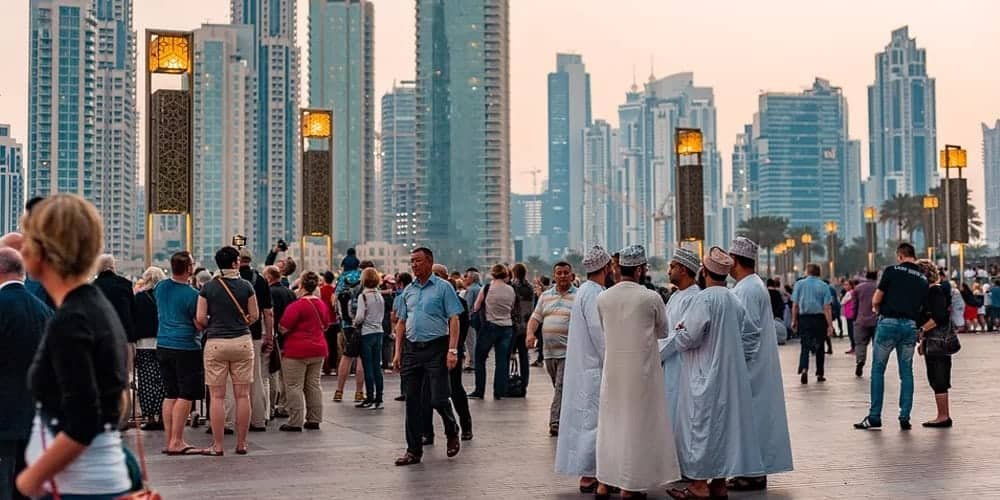
During the holy month of Ramadan, special rules apply in public areas.
Eating and Drinking in Public
Eating, drinking, or smoking in public during daylight hours is restricted during Ramadan. Most restaurants operate with covered dining areas or serve after sunset.
Tourists are expected to show respect during this religious period.
Respectful Conduct During Ramadan
Playing loud music in public or wearing revealing clothing is discouraged during Ramadan. Cultural sensitivity is especially important during this time.
Financial and Money-Related Rules
Financial regulations in Dubai are taken very seriously. When discussing what are the rules in Dubai for tourists, money-related laws may not seem as obvious as dress code or alcohol rules, but they are equally important.
The UAE has strict policies regarding financial responsibility, fraud, and undeclared funds. While short-term tourists rarely face financial legal issues, understanding these rules is essential, especially for business travellers and long-term visitors.
Bounced Cheques and Debt Laws
In the UAE, issuing a cheque without sufficient funds is considered a criminal offence. Although many tourists do not use cheques during short holidays, this law is particularly relevant for expatriates, business visitors, or long-stay travellers who open local bank accounts.
Financial obligations must be honoured carefully. Failure to repay debts, defaulting on financial agreements, or issuing invalid cheques can lead to legal action. In serious cases, penalties may include fines or travel bans until the matter is resolved.
Understanding what are the rules in Dubai for tourists includes recognising that financial accountability is strictly enforced.
Carrying Cash and Currency Declarations
Dubai is a global travel hub, and many travellers pass through its airports. If you are carrying large amounts of cash, you may be required to declare it upon arrival or departure. Regulations can change, so checking the latest declaration limits before travelling is recommended.
Carrying undeclared cash above permitted limits can result in questioning or confiscation. Although credit and debit cards are widely accepted across Dubai, travellers who prefer carrying cash should remain aware of declaration requirements.
When considering what are the rules in Dubai for tourists, it is clear that transparency in financial matters is important. Staying informed about currency regulations and financial obligations ensures smooth entry and departure without unnecessary complications.
Must Read:
- What’s the Best Month to Visit Indonesia?
- Malaysia Travel Guide For Indians
- What is the Best Month to Visit France?
Final Thoughts:
Dubai is one of the safest and most organised tourist destinations in the world. The rules may seem strict compared to some countries, but they are clear and consistently enforced. Most visitors experience no issues because they behave respectfully and follow simple guidelines.
Understanding what are the rules in Dubai for tourists ensures that your trip remains smooth, enjoyable, and free from complications. Dress modestly in public, respect cultural norms, avoid public intoxication, follow photography restrictions, and comply with local laws.
When travellers approach Dubai with awareness and respect, they find a welcoming city that blends luxury, safety, and cultural richness in a unique way.