


Australia is one of those destinations that feels both familiar and completely different at the same time. You may have seen photos of Sydney Harbour or the Great Barrier Reef, but nothing quite prepares you for the scale of the country. Australia is huge, diverse, modern, wild, relaxed, and deeply rooted in ancient culture.
For first-time visitors, planning a trip to Australia can feel overwhelming. Different climates, long travel distances, visa rules, time zones, and countless experiences to choose from. This Australia Travel Guide for First-Time Visitors will walk you through everything you need to know before you go. It is written in a clear, practical way so you can plan confidently and avoid common mistakes.
Why Australia Should Be on Your Travel List?
Australia offers a rare mix of world-class cities and untouched wilderness. You can explore urban landmarks in Sydney, drive along dramatic coastlines in Victoria, snorkel over coral reefs in Queensland, and watch the sunset over red desert landscapes in the Northern Territory.
What makes Australia especially attractive for first-time visitors?
- Safe and well-developed infrastructure
- English-speaking country
- High hygiene and safety standards
- Incredible biodiversity
- Unique wildlife found nowhere else
- Strong tourism support and easy transport systems
It is a country where you can experience beaches, rainforests, deserts, mountains, wine regions, and modern cities in one trip.
Understanding Australia’s Geography
Australia is not just one travel destination. It is an entire continent. The distance between Sydney and Perth is similar to travelling across Europe. Careful planning matters because climates, landscapes, and travel times vary significantly between regions.
New South Wales
New South Wales is home to Sydney, Australia’s most visited city. It offers iconic beaches like Bondi, vibrant harbour life, and easy access to the scenic Blue Mountains. Travellers enjoy coastal drives, national parks, surfing spots, and lively urban neighbourhoods filled with culture, food, and history.
Victoria
Victoria centres around Melbourne, known for street art, live music, and world-class cafés. The famous Great Ocean Road stretches along dramatic cliffs and ocean views. Visitors explore charming towns, wine regions, wildlife reserves, and scenic countryside, making it ideal for road trips and cultural experiences.
Queensland
Queensland is Australia’s sunshine state, offering tropical weather and reef adventures. The world-renowned Great Barrier Reef draws snorkellers and divers globally. Inland, the ancient Daintree Rainforest provides lush greenery and wildlife. Beaches, islands, and relaxed coastal cities make Queensland perfect for outdoor exploration.
Northern Territory
The Northern Territory showcases Australia’s rugged heart. Uluru stands as a sacred Indigenous landmark surrounded by desert landscapes. Kakadu National Park features wetlands, waterfalls, and ancient rock art. This region offers raw nature, dramatic sunsets, and unforgettable cultural depth.
Western Australia
Western Australia is vast and less crowded, offering wide open spaces and pristine coastlines. Perth combines city comfort with beach living. Nearby Rottnest Island attracts visitors for clear waters and friendly quokkas, while remote coastal landscapes deliver unforgettable scenic drives.
South Australia
South Australia blends wine, wildlife, and dramatic coastlines. The famous Barossa Valley produces world-class wines, while Kangaroo Island offers rugged cliffs and native animals. Adelaide provides a relaxed urban base, making the state ideal for food lovers and nature explorers alike.
Tasmania
Tasmania, an island state south of the mainland, offers cooler weather and untouched wilderness. Cradle Mountain features alpine scenery and hiking trails, while national parks protect pristine forests and lakes. Clean air, local produce, and quiet landscapes attract travellers seeking peaceful, scenic experiences.
Best Time to Visit Australia

Australia’s seasons are opposite to those in Europe and North America.
- Summer: December to February
- Autumn: March to May
- Winter: June to August
- Spring: September to November
The best time depends on where you are going.
If you want beaches in Sydney or Melbourne, summer is ideal but can be hot and busy. For exploring the Outback or Uluru, winter is better because temperatures are more comfortable. Northern Queensland is best visited during the dry season from May to October.
For most first-time visitors, spring and autumn offer the best balance of good weather and fewer crowds.
Visa and Entry Requirements
Most travellers need a visa before arriving in Australia. Fortunately, the process is usually simple.
Common visa types:
- Electronic Travel Authority (ETA)
- eVisitor visa
- Visitor visa (subclass 600)
Applications are typically done online. Always apply in advance and check official government websites for updated rules.
Make sure your passport is valid for at least six months beyond your travel dates.
Top Cities for First-Time Visitors
Sydney
Sydney is often the first stop for travellers. It combines beaches, skyline views, and famous landmarks.
Must-see attractions:
- Sydney Opera House
- Sydney Harbour Bridge
- Bondi Beach
- Darling Harbour
- The Rocks historic district
Sydney offers ferry rides with beautiful harbour views, coastal walks, and great seafood.
Melbourne
Melbourne has a completely different vibe. It is creative, artistic, and known for its café culture.
Highlights:
- Laneway street art
- Federation Square
- Queen Victoria Market
- Day trip along the Great Ocean Road
- Phillip Island penguin parade
If you love coffee, live music, and food diversity, Melbourne is ideal.
Brisbane
Brisbane is warm and relaxed. It is a great base for exploring the Gold Coast and Sunshine Coast.
You can:
- Visit South Bank Parklands
- Take river cruises
- Explore nearby islands
Brisbane offers sunshine almost year-round.
Perth
Perth feels remote but beautiful. It is less crowded and perfect for travellers who want space.
Nearby attractions:
- Rottnest Island
- Margaret River wine region
- Stunning beaches
It is a long flight from the east coast, so plan wisely.
Natural Wonders You Should Not Miss
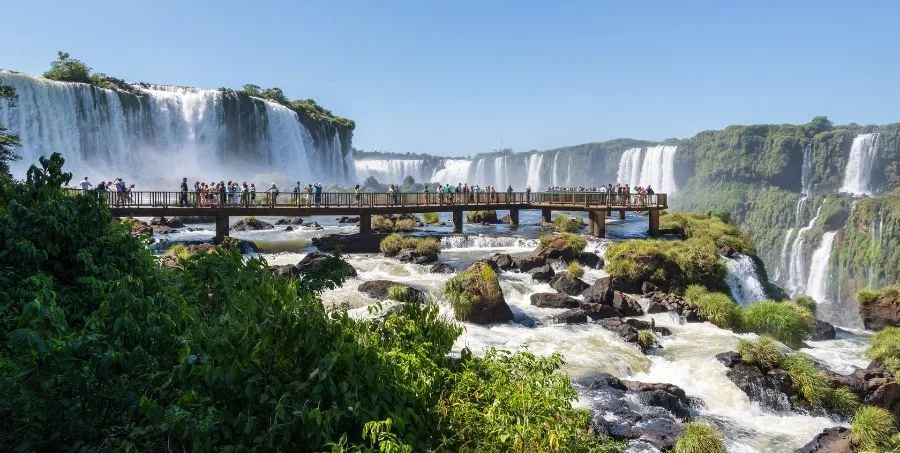
Australia is famous for its dramatic landscapes, unique ecosystems, and natural landmarks that feel almost unreal in scale. From coral reefs and ancient rainforests to desert monoliths and coastal cliffs, the country offers experiences you simply cannot replicate elsewhere. These natural highlights define Australia’s identity.
Great Barrier Reef
The Great Barrier Reef lies off Queensland’s coast and is the largest coral reef system on Earth. Stretching over 2,300 kilometres, it supports vibrant marine life, colourful coral formations, and clear tropical waters. Snorkelling and diving here reveal fish, turtles, and reef ecosystems unlike anywhere else.
Uluru
Uluru rises from the red desert in Australia’s centre and holds deep cultural significance for Indigenous communities. Its surface shifts colours dramatically during sunrise and sunset, moving from deep red to glowing orange. Visiting respectfully allows travellers to appreciate both its geological beauty and spiritual importance.
Great Ocean Road
The Great Ocean Road is one of Australia’s most scenic coastal drives. Winding along dramatic cliffs and ocean views, it leads to the iconic Twelve Apostles limestone formations. This route combines beaches, rainforest sections, and wildlife sightings, making it perfect for a relaxed yet visually stunning road trip.
Daintree Rainforest
The Daintree Rainforest is one of the oldest rainforests in the world, estimated to be over 180 million years old. Dense greenery, rare plant species, and diverse wildlife define this tropical environment. Elevated walkways and guided tours allow visitors to explore safely while learning about its ecological importance.
Blue Mountains
Located near Sydney, the Blue Mountains are known for dramatic sandstone cliffs, eucalyptus forests, and hiking trails. The region gets its name from the blue haze created by eucalyptus oils in the air. It offers scenic viewpoints, waterfalls, and peaceful nature escapes.
For first-time visitors, combining one major city with one natural wonder is a smart strategy. It keeps your itinerary balanced while allowing enough time to truly experience both urban culture and Australia’s extraordinary landscapes.
Wildlife Encounters
Australia’s wildlife is unique.
You may see:
- Kangaroos
- Koalas
- Wombats
- Emus
- Platypus
Best places for wildlife:
- Kangaroo Island
- Phillip Island
- National parks across the country
Always respect wildlife rules and never feed wild animals.
Aboriginal Culture and Heritage
Australia’s Indigenous culture is one of the oldest living cultures in the world.
Ways to learn more:
- Guided cultural tours
- Art centres
- Storytelling experiences
- Visiting sacred sites respectfully
Understanding Indigenous history adds depth to your trip.
Transportation in Australia
Because Australia is vast, transport planning plays a major role in shaping your itinerary. Distances between cities can be thousands of kilometres, and travel time adds up quickly if you are not strategic. Choosing the right combination of flights, trains, cars, and public transport ensures a smoother and more efficient journey.
Domestic Flights
Domestic flights are the fastest and most practical way to travel between major cities such as Sydney, Melbourne, Brisbane, and Perth. Australia has well-developed air routes, frequent departures, and competitive pricing if booked early. For long distances, flying saves valuable travel days and reduces fatigue significantly.
Trains
Train travel in Australia is comfortable, spacious, and more relaxed than flying, though generally slower. Some routes are scenic and designed as experiences rather than quick transfers. Services between Sydney and Melbourne are practical, while long-distance journeys offer wide landscapes and outback views for travellers who prefer slower exploration.
Car Rentals
Car rentals are ideal for road trips and regional exploration. Routes like the Great Ocean Road are best experienced by car, allowing flexibility for scenic stops and small towns. Driving gives you control over timing and access to remote beaches, national parks, and countryside locations.
Public Transport
Major cities such as Sydney and Melbourne offer reliable public transport systems, including buses, trains, ferries, and trams. Travel cards make commuting simple and affordable. Within cities, public transport is efficient, safe, and often the easiest way to move around.
If your itinerary includes multiple cities across different states, flights are usually the most time-efficient option. Combining domestic flights with local public transport or car rentals creates a practical balance for first-time visitors.
Budgeting for Australia

Australia is not a cheap destination, but it can be managed smartly.
Average daily budget:
- Budget traveller: 70–100 USD
- Mid-range: 150–250 USD
- Luxury: 300+ USD
Ways to save:
- Use public transport
- Book flights early
- Travel in shoulder season
- Choose hostels or budget hotels
Food and accommodation are usually the biggest expenses.
Food and Dining
Australian food reflects multicultural influences.
Try:
- Meat pies
- Fish and chips
- Barbecue
- Lamington cake
- Tim Tams
Seafood is especially fresh in coastal cities.
Melbourne and Sydney offer world-class dining experiences.
Safety Tips for First-Time Visitors
Australia is generally safe, but keep these tips in mind:
- Use sunscreen regularly
- Stay hydrated
- Swim between red and yellow flags at beaches
- Follow bushfire updates during summer
- Be cautious when driving long distances
Nature is powerful in Australia. Respect warnings and guidelines.
Suggested 10-Day Itinerary
Day 1–3: Sydney
Day 4: Blue Mountains
Day 5–6: Melbourne
Day 7: Great Ocean Road
Day 8–9: Cairns and Great Barrier Reef
Day 10: Return to Sydney
This route gives you cities, coastlines, and reef experiences without rushing too much.
Packing Tips
What to pack depends on season and region.
Essentials:
- Sunscreen
- Hat and sunglasses
- Comfortable walking shoes
- Light jacket
- Travel adapter (Type I plug)
Australia’s sun is strong even on cloudy days.
Internet and Connectivity
Wi-Fi is widely available in cities, hotels, and cafes.
You can buy local SIM cards at airports or convenience stores.
Major providers:
- Telstra
- Optus
- Vodafone
Coverage is excellent in cities but limited in remote areas.
Road Trip Tips
Australia is perfect for road trips.
Important tips:
- Drive on the left
- Watch for wildlife on roads at night
- Refuel regularly in remote areas
- Carry water during long drives
Popular road trips:
- Great Ocean Road
- East Coast drive from Sydney to Cairns
- Perth to Exmouth
Common Mistakes First-Time Visitors Make
- Trying to see too much
- Underestimating travel distances
- Ignoring seasonal weather differences
- Not booking tours in advance during peak season
- Forgetting travel insurance
Planning properly helps avoid stress.
Is Australia Worth Visiting?
For first-time visitors, Australia offers balance. It is adventurous yet comfortable. You can experience modern cities and ancient landscapes in one journey.
The key is realistic planning. Choose regions carefully, allow enough time, and focus on quality experiences rather than quantity.
Must Read:
- New Zealand Travel Guide: Scenic Routes, Hikes and Planning Tips
- Fiji Travel Guide: Best Islands, Activities and Travel Advice
- French Polynesia Travel Guide: Costs, Resorts and When to Visit
Final Thoughts:
Australia leaves a lasting impression. The landscapes are wide and dramatic. The cities are modern and easy to navigate. The wildlife feels almost unreal. And the culture is relaxed but organised.
For first-time visitors, the best approach is simple. Pick two or three regions, travel slowly, and stay flexible. Do not try to conquer the entire continent in one trip.
With the right planning, Australia will not just be another destination. It will be one of the most memorable trips of your life.