
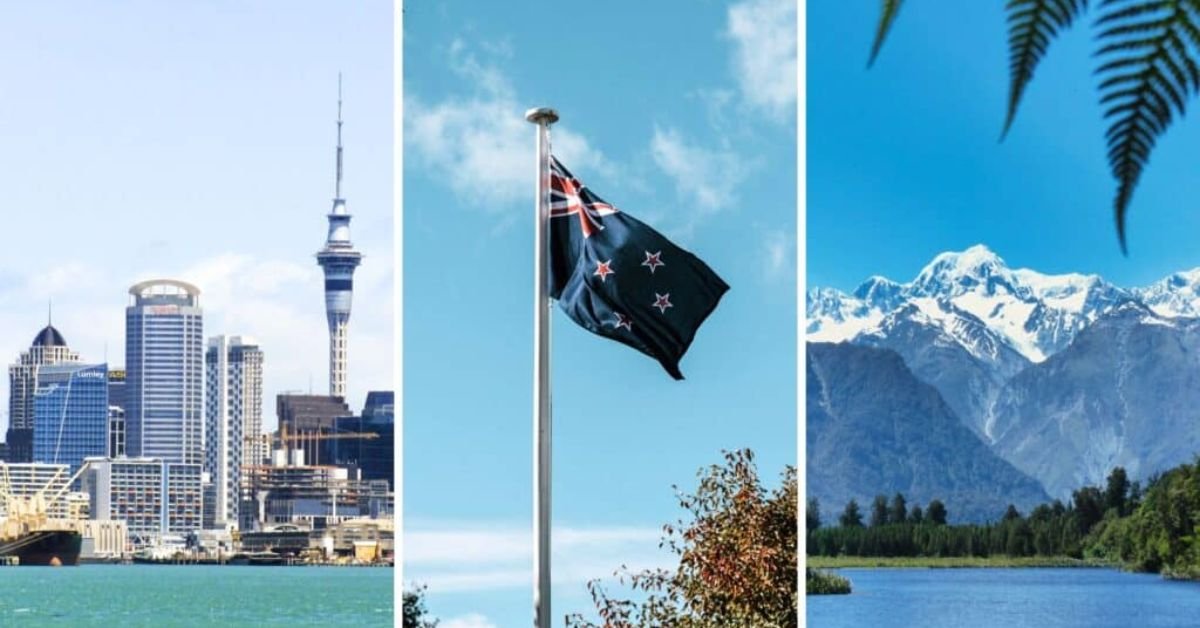
New Zealand is one of those rare destinations that feels almost unreal when you first arrive. Mountains rise straight from turquoise lakes. Wild beaches stretch for miles without another person in sight. Forests feel ancient and untouched. Volcanoes steam quietly in the distance. And everywhere you go, the air feels fresh, clean, and open.
Despite its relatively small size, New Zealand delivers an extraordinary variety of landscapes and experiences. In a single trip, you can hike through alpine passes, soak in geothermal hot pools, cruise through fjords, explore glowworm caves, relax on golden beaches, and drive some of the most scenic roads on Earth.
This comprehensive New Zealand Travel Guide is designed to help you plan your New Zealand adventure with confidence. You’ll find detailed information on scenic routes, famous hikes, seasonal advice, transportation, budgeting, accommodations, cultural etiquette, and practical tips that will make your journey smoother and more meaningful.
Whether you’re visiting for the first time or returning for a deeper exploration, New Zealand rewards slow travel, curiosity, and flexibility.
Why New Zealand Belongs on Every Traveler’s Bucket List?
New Zealand consistently ranks among the world’s top travel destinations, and it’s not hard to see why.
Here’s what sets it apart:
- Incredible landscape diversity packed into a compact country
- Safe cities and welcoming locals
- World-class hiking trails and national parks
- Easy self-drive travel with excellent road infrastructure
- Rich Māori culture and living traditions
- Clean environment and strong conservation values
- Outdoor adventures for every skill level
- Food and wine scenes that punch well above their weight
New Zealand appeals to photographers, hikers, road trippers, wildlife lovers, foodies, adventure seekers, and travelers who simply want space to breathe.
It’s not a place you rush through. It’s a place you experience slowly.
Understanding New Zealand Geography: North Island vs South Island
New Zealand is made up of two main islands, each offering a different personality and travel style.
Choosing between them depends on your interests, available time, and travel pace.
North Island Overview
The North Island is warmer, more populated, and culturally rich. It blends modern cities with volcanic landscapes, geothermal activity, and beautiful coastlines.
Major urban centers include Auckland and Wellington, while natural highlights range from surf beaches to steaming crater lakes.
Key North Island destinations include:
- Rotorua for hot springs, geysers, and Māori cultural experiences
- Tongariro National Park for dramatic volcanic hiking
- Bay of Islands for island cruises and marine life
- Coromandel Peninsula for secluded beaches and rainforest walks
The North Island offers a balance of culture, city life, and accessible outdoor adventures.
South Island Overview
The South Island is where New Zealand’s most dramatic scenery comes alive. This is the island of glaciers, fjords, alpine passes, and vast open spaces.
Popular destinations include:
- Queenstown
- Christchurch
- Fiordland National Park
- Lake Tekapo
- Aoraki / Mount Cook National Park
If your time is limited, many travelers focus entirely on the South Island. If you have two weeks or more, combining both islands provides a fuller picture of New Zealand’s diversity.
Best Time to Visit New Zealand
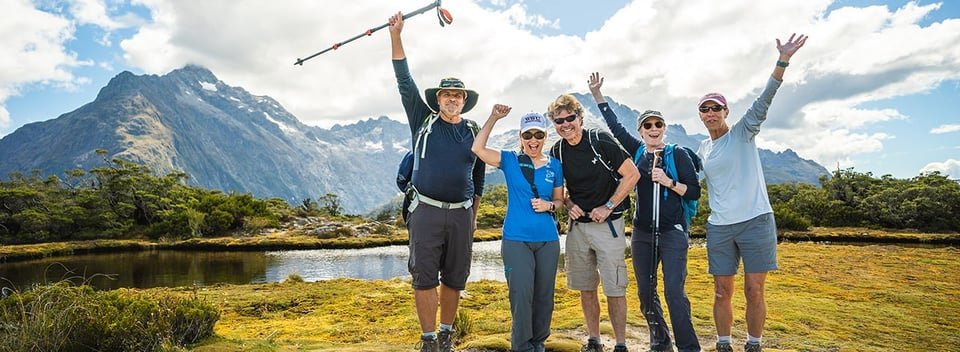
Because New Zealand sits in the Southern Hemisphere, its seasons are opposite those in Europe and North America.
Summer (December to February)
Summer brings warm temperatures and long daylight hours. It’s peak tourism season, especially in Queenstown, Rotorua, and coastal areas.
Pros:
- Ideal hiking weather
- Great beach conditions
- Vibrant atmosphere
Cons:
- Higher accommodation prices
- Popular attractions book out quickly
Autumn (March to May)
Autumn offers cooler temperatures and fewer crowds. The South Island turns golden with fall colors, creating stunning photography opportunities.
Pros:
- Pleasant weather
- Reduced tourist numbers
- Beautiful landscapes
Cons:
- Shorter daylight hours
Winter (June to August)
Winter transforms alpine regions into ski destinations, particularly around Queenstown and Wanaka.
Pros:
- Snow sports
- Cozy mountain towns
- Fewer international tourists
Cons:
- Cold temperatures
- Some hiking trails closed
Spring (September to November)
Spring brings wildflowers, waterfalls, and newborn lambs across farmland.
Pros:
- Fresh green scenery
- Shoulder-season prices
- Fewer crowds
Cons:
- Unpredictable weather
For most travelers, March to April and October to November provide the best balance between weather, cost, and crowd levels.
Scenic Road Trips Across New Zealand
Driving is the best way to experience New Zealand. The roads are well maintained, distances are manageable, and breathtaking viewpoints appear around almost every corner. A self-drive journey allows you to explore remote valleys, alpine passes, and coastal stretches at your own pace. Below are four of the most memorable scenic road trips in the country.
Queenstown to Milford Sound
Route: Queenstown to Milford Sound
This legendary drive winds through Fiordland National Park, passing mirror-like lakes, wide alpine valleys, cascading waterfalls, and the dramatic Homer Tunnel. Highlights include Mirror Lakes, the Eglinton Valley, sheer granite cliffs, and frequent wildlife sightings. Upon arrival, a Milford Sound cruise reveals towering waterfalls, seals resting on rocks, and dolphins swimming alongside boats, making this one of New Zealand’s most unforgettable journeys.
Lake Tekapo to Mount Cook (State Highway 80)
Route: Lake Tekapo to Aoraki / Mount Cook National Park
This short but spectacular drive follows the edge of Lake Pukaki, offering uninterrupted views of snow-capped peaks. On clear days, Mount Cook rises dramatically at the end of the road, creating a truly cinematic approach. The route is perfect for landscape photography, stargazing in Tekapo’s dark sky reserve, and accessing easy alpine hikes like the Hooker Valley Track. Despite its length, this drive delivers some of the South Island’s most iconic scenery.
Franz Josef Glacier to Queenstown
Route: Franz Josef Glacier to Queenstown via Haast Pass
This underrated road trip showcases New Zealand’s wild west coast before climbing into alpine terrain. You’ll pass rainforests, waterfalls, glacier valleys, and mountain rivers, with scenery changing dramatically throughout the journey. The Haast Pass section is especially beautiful, featuring moss-covered forests and roaring streams. Compared to eastern routes, this drive feels quieter and more remote, making it ideal for travelers seeking raw landscapes and fewer crowds.
Coromandel Peninsula Loop
Located near Auckland, the Coromandel Peninsula Loop combines forested hills, secluded beaches, and relaxed coastal towns. Highlights include Cathedral Cove and Hot Water Beach, where visitors can dig their own hot pools in the sand. This scenic loop is perfect for travelers looking to escape the city, enjoy quiet beaches, and explore short coastal hikes surrounded by native forest.
Best Hiking Trails in New Zealand
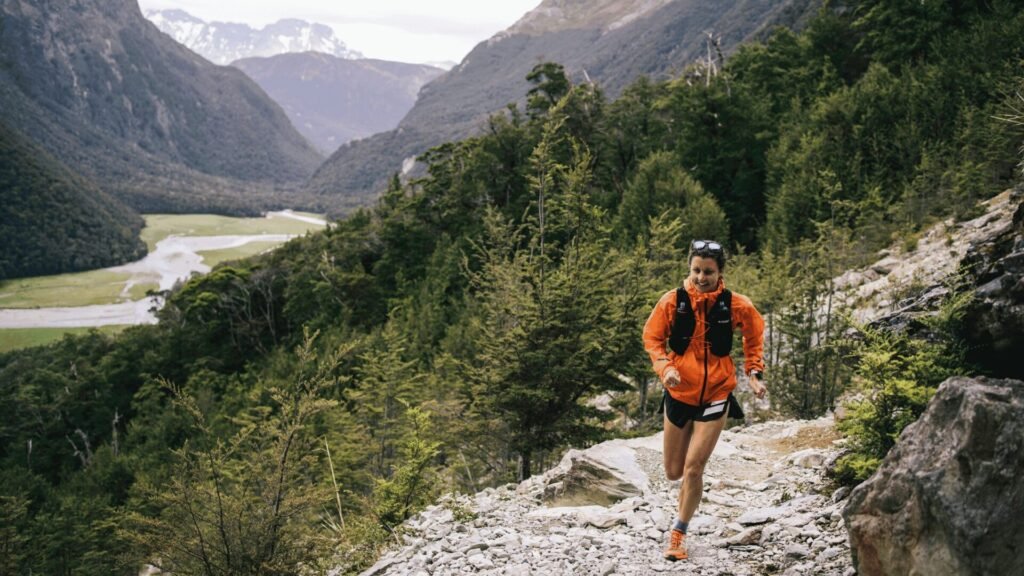
New Zealand offers thousands of walking tracks ranging from gentle lakeside strolls to demanding multi-day alpine treks. Whether you’re a beginner or an experienced hiker, the country delivers unforgettable trails framed by volcanoes, glaciers, beaches, and mountain peaks. Below are five of the most iconic hiking experiences every traveler should consider.
Tongariro Alpine Crossing
Located in Tongariro National Park, the Tongariro Alpine Crossing is a 19.4-kilometer hike across active volcanic terrain, emerald-colored lakes, and steaming vents. The trail takes you past dramatic craters and windswept ridges, offering constantly changing scenery. It’s physically demanding but achievable in one long day with proper preparation. Often ranked among the world’s best day hikes, this trail delivers raw, otherworldly landscapes unlike anywhere else.
Hooker Valley Track
Found in Aoraki / Mount Cook National Park, the Hooker Valley Track is an easy, well-maintained trail suitable for all fitness levels. The walk crosses scenic swing bridges and open alpine valleys before reaching Hooker Lake, where icebergs often float beneath Mount Cook. With minimal elevation gain and breathtaking mountain views throughout, it’s one of New Zealand’s most accessible yet rewarding hikes, perfect for beginners, families, and photographers.
Routeburn Track
The Routeburn Track connects Mount Aspiring National Park with Fiordland National Park, offering alpine passes, cascading waterfalls, and lush forest valleys. This famous Great Walk can be completed over several days or explored in shorter sections. Hikers experience sweeping mountain vistas and pristine wilderness, making it a favorite for those seeking a classic multi-day trek or a challenging scenic day hike.
Abel Tasman Coast Track
Located in Abel Tasman National Park, this coastal trail is known for its golden beaches, turquoise waters, and gentle terrain. Unlike alpine hikes, Abel Tasman offers a relaxed walking experience with warm weather and ocean views. Many travelers combine hiking with kayaking or water taxis, creating flexible itineraries. It’s ideal for those who want stunning scenery without steep climbs or extreme physical demands.
Roys Peak Track
Near Wanaka, the Roys Peak Track is a steep uphill climb that rewards hikers with sweeping panoramic views over Lake Wanaka and surrounding mountain ranges. While the ascent is physically challenging, the trail is well formed and easy to follow. Sunrise and sunset hikes are especially popular for photography. This trail has become iconic thanks to its dramatic ridgeline viewpoint and postcard-worthy scenery.
Getting Around New Zealand
Transportation in New Zealand is simple and well suited to independent travelers. Whether you’re planning a full road trip or hopping between cities, the country offers several convenient ways to move around. Your choice largely depends on budget, travel style, and how deeply you want to explore remote landscapes.
Rental Cars
Renting a car is the most popular option for visitors and for good reason. It offers complete freedom to explore scenic routes, national parks, small towns, and hidden viewpoints at your own pace. Roads are generally well maintained, signage is clear, and driving is relatively stress-free once you adjust to driving on the left side.
A rental car is especially useful if you plan to visit alpine regions, lakes, or hiking trailheads that are not easily accessible by public transport. For travelers focused on scenic exploration and outdoor adventures, this remains the top choice.
Campervans
Campervans are a favorite among long-term travelers and road trip enthusiasts. They combine transportation and accommodation into one, allowing you to wake up surrounded by mountains, lakes, or beaches.
New Zealand has an excellent network of holiday parks and campgrounds equipped with kitchens, showers, laundry facilities, and powered sites. Campervan travel offers flexibility and can be cost-effective for couples or groups, particularly on extended trips.
However, it’s important to follow freedom camping rules and stay only in designated areas to avoid fines and protect local environments.
Domestic Flights
Domestic flights are ideal for covering long distances quickly, especially between major hubs like Auckland, Wellington, Christchurch, and Queenstown.
Flying can save valuable time if your itinerary is tight or if you’re combining both islands. Many travelers fly into one city, rent a car for a regional road trip, then fly out from another destination.
While flights are efficient, they don’t offer the same scenic immersion as driving through New Zealand’s landscapes.
Intercity Buses
Intercity buses provide a budget-friendly way to travel between towns and cities. They work well for backpackers or travelers who prefer not to drive. Major routes are frequent and reliable, but smaller destinations may have limited schedules.
The downside is reduced flexibility, especially for accessing hiking trails, national parks, and remote viewpoints. If your trip focuses heavily on outdoor activities, buses may feel restrictive.
Accommodation Options
New Zealand caters to every budget and travel style:
- Hostels and backpacker lodges
- Holiday parks with cabins and campsites
- Motels and mid-range hotels
- Boutique lodges and luxury retreats
During summer, booking ahead is essential, especially in Queenstown, Rotorua, and national park areas.
Budgeting for Your Trip

New Zealand isn’t a cheap destination, but thoughtful planning helps manage costs.
Ways to save money:
- Cook some meals
- Travel in shoulder seasons
- Book activities online in advance
- Choose free hikes and viewpoints
- Share rental cars or campervans
Daily costs vary by travel style:
Budget travelers can manage modest expenses with hostels and self-catering.
Mid-range travelers enjoy comfortable hotels and occasional tours.
Luxury travelers will find premium lodges, scenic flights, and private tours.
Sample 10-Day South Island Itinerary
- Day 1: Arrive in Christchurch
- Day 2: Drive to Lake Tekapo
- Day 3: Explore Mount Cook region
- Day 4: Travel to Wanaka via Lindis Pass
- Day 5: Queenstown sightseeing
- Day 6: Milford Sound day trip
- Day 7: Te Anau to Franz Josef
- Day 8: Glacier region exploration
- Day 9: Return toward Christchurch
- Day 10: Departure
This itinerary balances driving with outdoor experiences.
Cultural Etiquette and Responsible Travel
New Zealand values environmental protection and cultural respect.
Travel responsibly by:
- Respecting Māori traditions and sacred sites
- Staying on marked trails
- Following Leave No Trace principles
- Driving cautiously on narrow roads
- Preparing for rapidly changing weather
Small actions help preserve New Zealand’s natural beauty.
Must Read:
- Fiji Travel Guide: Best Islands, Activities and Travel Advice
- French Polynesia Travel Guide: Costs, Resorts and When to Visit
- Samoa Travel Guide: Beaches, Culture and Essential Visitor Tips
Final Thoughts:
New Zealand is not just a destination. It’s a journey through landscapes that feel untouched and moments that stay with you long after you leave.
From volcanic plateaus on the North Island to alpine valleys on the South Island, from quiet beaches to roaring waterfalls, every day brings something new. The country rewards travelers who slow down, explore beyond the highlights, and embrace spontaneity.
Plan your routes, but leave space for discovery. Talk to locals. Stop at roadside viewpoints. Take that extra hike. Watch the sunset over a lake. These are the moments that define a New Zealand adventure.
If you’re seeking a destination that blends natural beauty, outdoor adventure, and genuine hospitality, New Zealand deserves a top spot on your travel list.