
Samoa remains one of the Pacific’s most authentic island destinations. While many tropical locations have experienced heavy commercial development, Samoa preserves strong cultural traditions, natural landscapes, and a slower pace of life. This Samoa Travel Guide provides practical insights for travellers who want to experience beaches, heritage, and essential visitor tips before planning their trip.
Located in the South Pacific, Samoa consists mainly of two large islands, Upolu and Savai’i. The country is known for turquoise lagoons, lava fields, waterfalls, and traditional village life. Unlike highly commercialised resorts elsewhere in Oceania, Samoa offers a balanced mix of comfort and authenticity.
This detailed Samoa Travel Guide covers everything from beaches and cultural customs to transportation, budgeting, safety, and local experiences. Whether you are planning a relaxed escape or a nature-focused adventure, this guide will help you prepare confidently.
Why Visit Samoa?
Samoa appeals to travellers seeking natural beauty and cultural depth. The islands feature volcanic landscapes, dramatic coastlines, and welcoming communities. Many visitors choose Samoa to escape large crowds and experience genuine Pacific island hospitality.
Unlike busier destinations such as Fiji, Samoa maintains a quieter atmosphere. Villages operate on traditional systems where respect and community values shape daily life. This Samoa Travel Guide encourages visitors to appreciate both the scenery and the culture that define the islands.
Key reasons to visit include:
- Clear lagoons and white sand beaches
- Strong traditional culture
- Affordable local accommodations
- Scenic waterfalls and hiking trails
- Relaxed, uncrowded environment
Geography and Main Islands
Understanding the layout of Samoa helps you plan effectively.
Upolu
Upolu is the most populated island and home to the capital city, Apia. It offers easier access to beaches, resorts, and major attractions. Many first-time visitors stay on Upolu due to infrastructure convenience.
Highlights include:
- To Sua Ocean Trench
- Lalomanu Beach
- Papapapaitai Falls
- Robert Louis Stevenson Museum
Savai’i
Savai’i is larger but less developed. It feels more remote and traditional. Travellers seeking quiet beaches and volcanic landscapes often include Savai’i in their itinerary.
Attractions include:
- Lava fields
- Blowholes
- Village-based beach fales
- Pristine snorkeling sites
This Samoa Travel Guide recommends visiting both islands for a balanced experience.
Best Beaches in Samoa
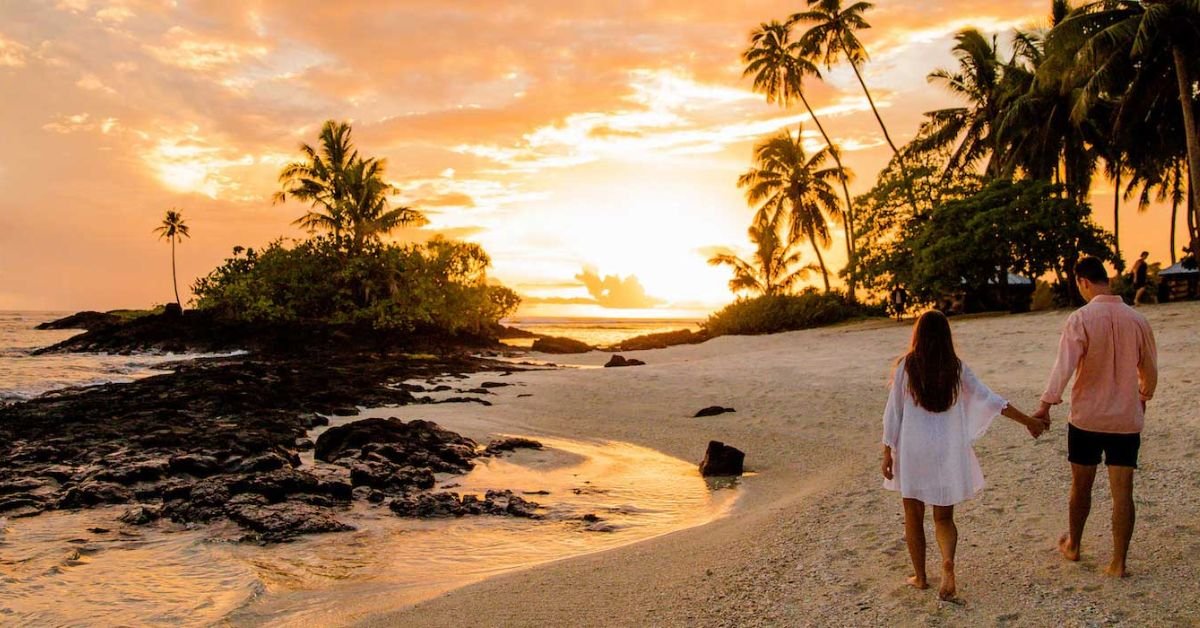
Beaches are central to any well-planned Samoa Travel Guide. The islands offer a mix of calm lagoons, open ocean shores, and traditional beach settings managed by local villages. Unlike heavily commercialised beach destinations, Samoa’s coastline feels natural and peaceful. Many beaches remain uncrowded, allowing visitors to enjoy swimming, snorkelling, and sunset views without distractions. Understanding the character of each beach helps you choose the right location for your travel style.
Lalomanu Beach
Lalomanu Beach on Upolu is widely regarded as one of the most scenic beaches in the country. It features soft white sand and calm, shallow water protected by a coral reef. These conditions make it ideal for swimming and relaxing. Traditional beach fales are available along the shore, offering simple accommodation steps from the ocean. Lalomanu remains a highlight in any detailed Samoa Travel Guide.
Aganoa Beach
Located on Savai’i, Aganoa Beach is known for stronger waves and a more rugged environment. It attracts surfers looking for reliable breaks and fewer crowds. The surrounding landscape feels remote and untouched, providing a peaceful escape for travellers who prefer quiet coastal scenery. Aganoa adds variety to a Samoa Travel Guide by offering a different beach experience compared to calmer lagoons.
Manase Beach
Manase Beach on Savai’i is popular for its relaxed atmosphere and beautiful sunset views. It offers affordable beach huts and mid-range accommodations. The water is generally clear, and the shoreline stretches widely, creating space for peaceful walks. Many visitors choose Manase for its balance between comfort and authenticity. Including Manase in your Samoa Travel Guide ensures a well-rounded island experience.
It is important to note that beach entry fees may apply because many beaches are managed by local villages. These small contributions directly support community maintenance and help preserve the natural environment.
Cultural Experiences in Samoa
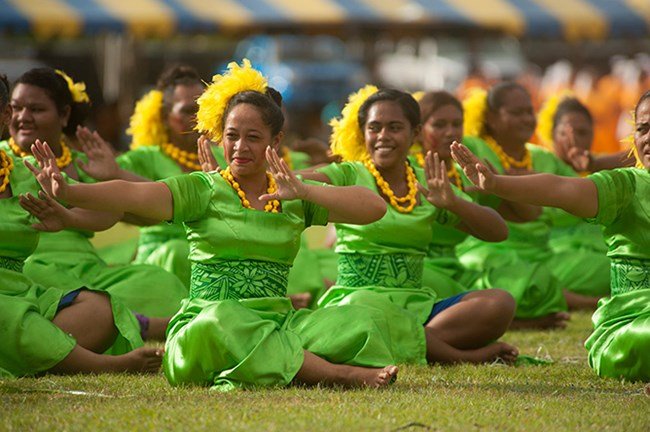
Culture defines Samoa more than tourism does. Any comprehensive Samoa Travel Guide must highlight the importance of local traditions and community values. Visitors are not only guests in a destination but also in living villages where customs remain strong. Respect and awareness are essential to having a meaningful experience.
Fa’a Samoa
Fa’a Samoa translates to “The Samoan Way.” It represents the foundation of Samoan society and emphasises respect for elders, communal living, and family hierarchy. Village life operates around these principles. Travellers should dress modestly when visiting villages and avoid loud behaviour, especially on Sundays. Sundays are typically reserved for church services and family gatherings, reflecting the deep cultural roots described in every thorough Samoa Travel Guide.
Traditional Fale
Fales are traditional open-sided houses with thatched roofs. They serve as gathering spaces and, in many cases, as accommodation for visitors. Staying in a beach fale allows travellers to experience local living conditions in a simple and affordable way. This type of accommodation strengthens cultural understanding and provides direct interaction with host families, making it a valuable part of any Samoa Travel Guide.
Cultural Shows
Evening fiafia nights are cultural performances featuring traditional dance, music, storytelling, and fire displays. These events offer insight into Samoan heritage and community pride. Attending a fiafia show enhances your appreciation of local customs and adds depth to your overall travel experience. A respectful approach to these traditions ensures your Samoa Travel Guide journey remains enriching and memorable.
A well-rounded Samoa Travel Guide always emphasises respect for local customs, community practices, and traditional values alongside natural beauty.
Things to Do Beyond Beaches
While beaches dominate most travel brochures, a complete Samoa Travel Guide goes far beyond the coastline. Samoa offers volcanic landscapes, rainforest trails, waterfalls, and unique swimming sites that highlight the islands’ geological beauty. Exploring inland areas adds variety to your itinerary and helps you appreciate the country’s natural diversity beyond its lagoons and coral reefs.
To Sua Ocean Trench
To Sua Ocean Trench is one of the most iconic natural landmarks in Samoa. This deep turquoise swimming hole is accessed by descending a steep wooden ladder into a volcanic crater filled with seawater. Surrounded by lush gardens and dramatic cliffs, it provides a striking contrast to open beaches. Visiting early in the morning often allows for a quieter and more peaceful experience.
Waterfalls
Samoa features several scenic waterfalls that provide refreshing swimming opportunities. Papaseea Sliding Rocks on Upolu are known for natural rock slides formed by smooth volcanic stone. On Savai’i, Afu Aau Waterfall offers a wide pool beneath cascading water, ideal for a cool swim. Including waterfalls in your Samoa Travel Guide itinerary introduces a different side of the islands’ natural charm.
Hiking Trails
For travellers who enjoy outdoor adventure, Samoa offers rewarding hiking opportunities. Mount Fito on Savai’i provides elevated views across forest and coastline, while O Le Pupu-Pue National Park on Upolu features rainforest trails and coastal scenery. Hiking allows you to experience Samoa’s volcanic terrain and native vegetation up close.
When to Visit Samoa
Timing plays an important role in any Samoa Travel Guide. Weather patterns influence outdoor activities, transportation, and overall travel comfort. Understanding the seasonal differences helps you plan according to your preferences and budget.
Dry Season
The dry season generally runs from May to October. During these months, temperatures are slightly cooler and rainfall is lower. This period is ideal for hiking, beach visits, and exploring waterfalls. Many travellers prefer this season because conditions are more predictable, making it easier to plan outdoor excursions across both main islands.
Wet Season
The wet season typically occurs from November to April. Humidity levels rise, and occasional tropical storms may occur. However, this season can also bring lower accommodation rates and fewer visitors. Travellers willing to adapt their schedules around occasional rain showers may benefit from more affordable travel opportunities.
Shoulder months between peak dry and wet seasons often offer balanced weather with moderate visitor numbers. A flexible approach increases your chances of finding favourable conditions during your visit.
Accommodation Options
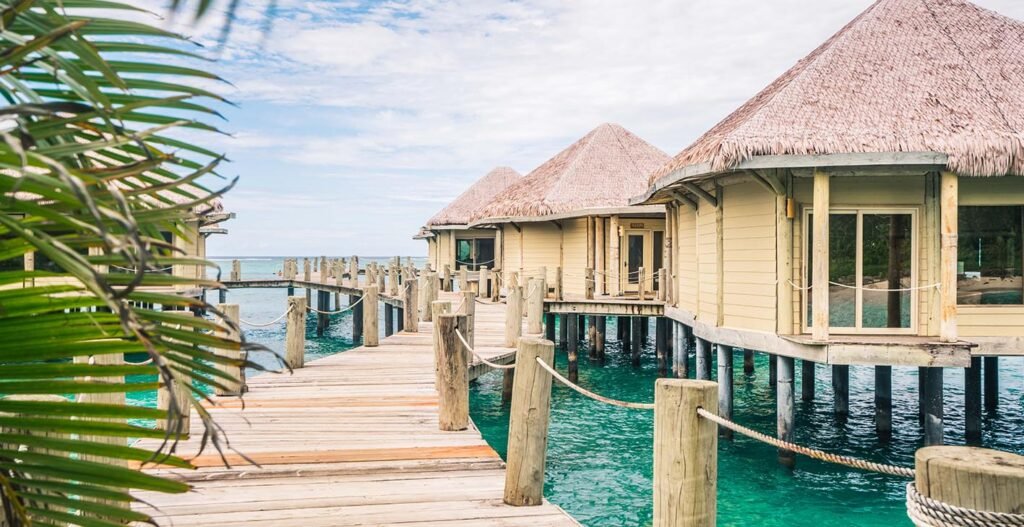
Samoa provides a wide range of accommodation styles, allowing travellers to choose based on comfort preferences and budget. A thoughtful Samoa Travel Guide recommends blending different types of stays to experience both tradition and modern convenience.
Beach Fales
Beach fales are traditional open-sided huts located directly along the shoreline. They are affordable and typically include simple bedding, mosquito nets, and shared facilities. Staying in a fale offers cultural immersion and close contact with village communities. This option suits travellers seeking authenticity and simplicity.
Mid-Range Resorts
Mid-range resorts provide greater comfort while maintaining a relaxed island atmosphere. These properties often include private bathrooms, air-conditioning, and restaurant services. They are suitable for couples or families who prefer moderate convenience without full luxury pricing.
Luxury Resorts
Higher-end resorts are usually located near Apia or along premium coastal stretches. These properties may feature ocean-view rooms, spa services, and curated tour packages. While more expensive, they provide additional privacy and amenities for travellers seeking elevated comfort.
A balanced Samoa Travel Guide often suggests combining a few nights in a traditional beach fale with time spent in a resort, allowing visitors to experience both cultural authenticity and modern relaxation during their stay.
Transportation in Samoa
Transportation in Samoa is straightforward, but it requires planning and flexibility. Public systems operate at a relaxed pace, and schedules may not always follow strict timetables. A well-prepared Samoa Travel Guide encourages visitors to plan routes in advance, especially when exploring rural areas or travelling between islands. Understanding your transport options helps you move comfortably while avoiding unnecessary delays.
Car Rental
Renting a car is the most flexible and convenient way to explore Samoa, particularly on Upolu. It allows you to visit waterfalls, beaches, and inland attractions at your own pace without relying on limited bus routes. Car rental agencies operate near Apia and at the airport. This option is ideal for travellers who want full independence during their trip.
Ferries
A regular ferry service connects Upolu and Savai’i daily. The crossing typically takes about an hour and allows both passengers and vehicles. If you plan to rent a car and explore both islands, you can take your vehicle onboard. Including both islands in your Samoa Travel Guide itinerary offers a broader view of the country’s landscapes and culture.
Buses
Local buses are colourful and affordable, offering a cultural experience alongside transportation. They operate across villages and towns but follow relaxed schedules rather than strict timetables. While inexpensive, buses may not run frequently in remote areas. Travellers with flexible plans can enjoy this authentic and budget-friendly option.
It is important to note that driving in Samoa is on the left side of the road. Visitors should adjust carefully, especially if coming from countries where driving is on the right. Proper planning ensures transportation supports, rather than limits, your Samoa Travel Guide experience.
Food and Dining
Samoan cuisine blends fresh seafood, coconut, taro, and tropical fruits.
Popular dishes include:
- Oka (raw fish with coconut cream)
- Palusami (taro leaves with coconut cream)
- Umu-cooked meats
Markets in Apia provide affordable meals and fresh produce.
Budgeting for Your Trip
Samoa is moderately priced compared to other Pacific islands.
Estimated daily costs:
- Budget: $40–$60
- Mid-range: $70–$120
- Luxury: $200+
Local food and beach fales keep expenses manageable.
Essential Visitor Tips
A strong Samoa Travel Guide must include preparation advice.
- Carry cash for village entry fees
- Dress modestly in villages
- Respect Sunday church traditions
- Use reef-safe sunscreen
- Bring mosquito repellent
Internet coverage may be limited outside Apia.
Safety and Health
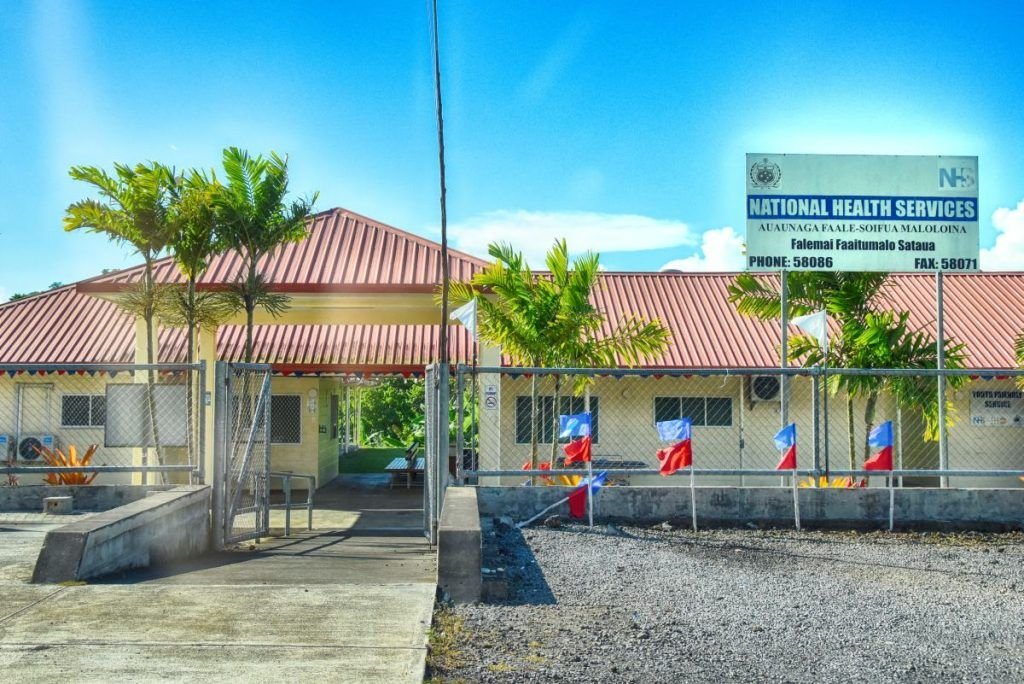
Samoa is generally safe. Violent crime is rare. However:
- Swim only in safe areas
- Monitor weather forecasts
- Stay hydrated
Basic travel insurance is recommended.
Responsible Travel
Responsible travel is an important part of any thoughtful Samoa Travel Guide. The islands rely on community-based tourism, where villages manage beaches, accommodation, and local attractions. Visitors who travel responsibly not only protect the environment but also strengthen local livelihoods. Small, respectful actions contribute directly to long-term sustainability and help preserve Samoa’s cultural and natural heritage.
Support Village-Run Accommodation
Many beaches and guesthouses in Samoa are owned and operated by local families. Choosing village-run fales or small guesthouses ensures that your spending benefits the community directly. This approach supports education, infrastructure, and daily village life. Including locally owned stays in your Samoa Travel Guide itinerary creates a more meaningful and ethical travel experience.
Respect Local Entry Fees
Several beaches and natural attractions are managed by villages, and small entry fees are often required. These contributions fund maintenance and environmental care. Paying these fees respectfully, without negotiation or complaint, shows appreciation for community stewardship. Responsible visitors recognise that these payments help preserve the beauty highlighted throughout any Samoa Travel Guide.
Protect the Natural Environment
Avoid littering, especially in coastal and forest areas. Use reef-safe sunscreen to protect marine ecosystems. When snorkelling, do not touch coral or disturb marine life. Simple actions like carrying reusable water bottles reduce plastic waste. Protecting natural resources ensures that Samoa’s beaches and lagoons remain vibrant for future travellers.
Respect Cultural Traditions
Dress modestly when visiting villages and observe quiet behaviour on Sundays. Always ask permission before photographing people or private property. Cultural awareness enhances your understanding of Fa’a Samoa and strengthens relationships between visitors and communities.
Responsible behaviour not only preserves Samoa’s natural beauty but also enriches your personal experience. A respectful approach ensures that your Samoa Travel Guide journey remains both memorable and sustainable.ty.
Sample 7-Day Itinerary
- Day 1: Arrive in Apia
- Day 2: Explore Lalomanu Beach
- Day 3: Visit To Sua Ocean Trench
- Day 4: Ferry to Savai’i
- Day 5: Explore lava fields and blowholes
- Day 6: Relax at Manase Beach
- Day 7: Return to Upolu
This itinerary balances culture and nature.
Must Read:
Final Thoughts:
Samoa offers something increasingly rare in modern travel: authenticity. Its beaches remain uncrowded, its culture remains deeply rooted, and its landscapes feel untouched. Travellers who approach the islands with respect and curiosity discover more than scenic beauty. They experience genuine hospitality and meaningful traditions.
This Samoa Travel Guide highlights essential information for planning effectively. From beaches like Lalomanu Beach to cultural practices shaped by Fa’a Samoa, the islands provide both relaxation and learning opportunities.
Whether you are seeking peaceful lagoons, village life, hiking adventures, or cultural immersion, Samoa rewards thoughtful travellers. With proper preparation and cultural respect, your journey will feel both enriching and memorable.