

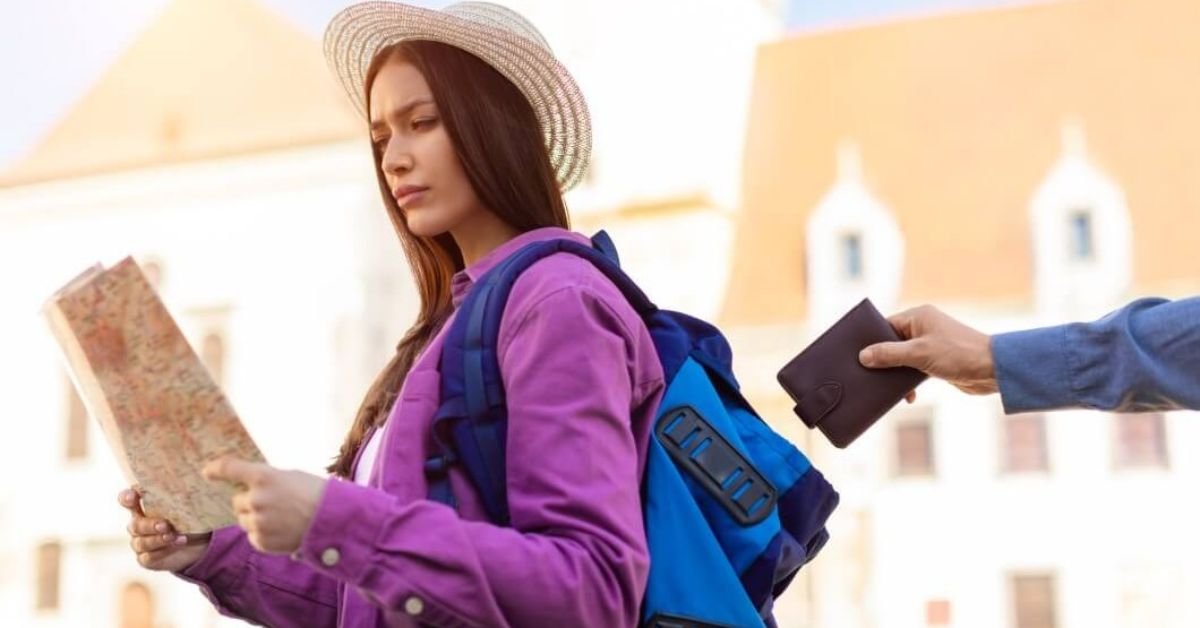
Chile is one of South America’s most popular destinations, known for its dramatic landscapes, vibrant cities, and cultural depth. From the Atacama Desert to Patagonia, millions of visitors explore the country each year. However, like many tourist hotspots worldwide, petty crime can occur in certain areas. Understanding the Chile Travel Alert Pickpocketing situation is essential for anyone planning a trip.
While Chile remains generally safe compared to many regional neighbours, opportunistic theft such as pickpocketing can happen, particularly in crowded urban areas. A clear awareness of the Chile Travel Alert Pickpocketing guidance helps travellers reduce risk and feel confident navigating cities such as Santiago and Valparaíso.
This comprehensive guide explains where pickpocketing most commonly occurs, common tactics used, prevention strategies, and what to do if you become a victim. The goal is to provide practical, realistic advice so your trip remains smooth and enjoyable.
Understanding the Chile Travel Alert Pickpocketing Situation
The Chile Travel Alert Pickpocketing advisory does not mean the country is unsafe. Instead, it highlights the presence of non-violent, opportunistic theft in specific areas. Pickpocketing typically targets tourists who appear distracted, unfamiliar with surroundings, or carrying visible valuables.
In major cities like Santiago, crowded public transportation systems and busy plazas are the most common environments for petty theft. Popular neighbourhoods such as Bellavista and Lastarria attract visitors, which can also attract opportunistic criminals.
Understanding the context behind the Chile Travel Alert Pickpocketing notice helps travellers prepare without unnecessary fear. Awareness and simple precautions significantly reduce risk.
Where Pickpocketing Is Most Common in Chile
Certain environments increase the likelihood of petty theft. The Chile Travel Alert Pickpocketing advisory often focuses on the following locations:
1. Public Transportation
Metro systems and buses in Santiago can become crowded during rush hours. Close contact in packed carriages creates opportunities for pickpockets.
2. Tourist Attractions
Popular areas such as Valparaíso and the historic centre of Santiago see heavy tourist traffic. Distraction while taking photos or checking maps increases vulnerability.
3. Markets and Festivals
Street markets and public events draw large crowds. These settings allow thieves to blend in easily.
Recognising high-risk environments is a key part of responding to the Chile Travel Alert Pickpocketing guidance.
Common Pickpocketing Tactics in Chile
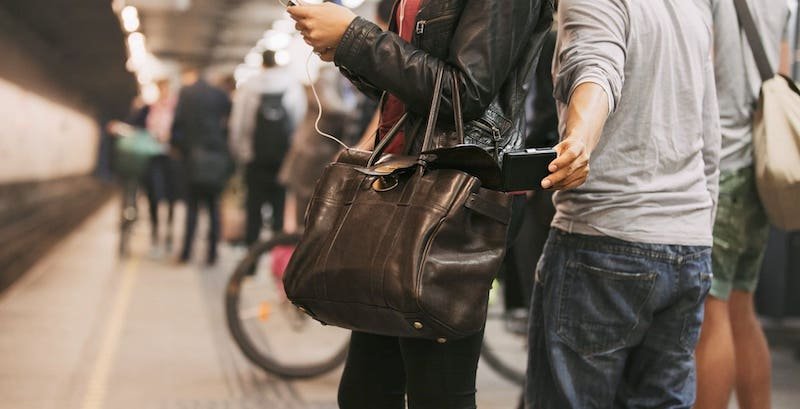
Understanding how petty theft typically happens is a key part of responding effectively to the Chile Travel Alert Pickpocketing advisory. Most incidents are opportunistic rather than violent, and they rely on distraction, speed, and crowded environments. Recognising these patterns helps travellers make smarter decisions and reduce vulnerability.
Distraction Techniques
Distraction is one of the most common methods associated with the Chile Travel Alert Pickpocketing advisory. A thief may work with an accomplice to divide your attention.
For example, someone might ask for directions, drop coins near your feet, or create a small commotion. While your focus shifts, another person may reach into a backpack or pocket. This tactic is especially common in busy areas such as metro stations, markets, or tourist plazas.
Maintaining awareness of your belongings even during brief interactions is one of the simplest ways to reduce risk under the Chile Travel Alert Pickpocketing warning.
Bump and Grab
The “bump and grab” method is another technique referenced in the Chile Travel Alert Pickpocketing guidance. In crowded environments such as public transport or festival areas, a thief may intentionally bump into a target.
During that split second of contact, phones or wallets can be removed from loose pockets or open bags. Because crowded spaces naturally involve close proximity, the action may go unnoticed until later.
Keeping valuables in zipped, secure compartments and avoiding back pockets significantly lowers exposure to this tactic.
Bag Slashing
Although less common, bag slashing is occasionally reported in areas with heavy foot traffic. The Chile Travel Alert Pickpocketing advisory notes that thin fabric bags can be vulnerable.
A small blade may be used to cut the bottom of a loosely worn backpack. Valuables can then fall out unnoticed in a busy environment. This tactic is more likely to occur in tightly packed spaces where movement is limited.
Using bags made from thicker materials and carrying them in front of your body in crowded settings helps minimise this risk.
Fake Assistance
Another technique mentioned in discussions around the Chile Travel Alert Pickpocketing situation involves false offers of help. A person may point out a supposed stain on your clothing or offer assistance with luggage.
In some cases, a substance may be spilled intentionally to create confusion. While you are distracted cleaning up or responding, an accomplice may attempt to access your belongings.
Remaining cautious when approached by strangers offering unsolicited help, especially in transit hubs or tourist areas, reduces exposure to this tactic.
Why Awareness Matters
The Chile Travel Alert Pickpocketing advisory focuses on prevention through awareness rather than fear. Most incidents rely on surprise and distraction. By understanding these common techniques and maintaining steady attention to your surroundings, you significantly lower the chances of becoming a target.
Calm confidence, secure storage of valuables, and simple daily habits make a meaningful difference when navigating Chile’s busy urban environments.
How to Prevent Pickpocketing in Chile?
The most effective way to respond to the Chile Travel Alert Pickpocketing advisory is through prevention. Pickpocketing is typically opportunistic, meaning thieves look for easy targets rather than specific individuals. Small, consistent habits can significantly reduce your risk and allow you to explore confidently.
Keep Valuables Hidden
One of the simplest strategies under the Chile Travel Alert Pickpocketing guidance is to avoid displaying expensive items unnecessarily. Holding a high-end phone loosely in your hand, wearing visible jewellery, or leaving a camera dangling in crowded areas can attract unwanted attention.
When walking through busy districts, markets, or metro stations, keep devices secured in a zipped bag or interior pocket. If you need to check directions or take photos, step aside to a calmer area rather than standing in the centre of foot traffic. Reducing visibility reduces temptation.
Use Anti-Theft Bags
Investing in a secure bag is a practical step aligned with the Chile Travel Alert Pickpocketing recommendations. Backpacks with lockable or hidden zippers, slash-resistant straps, and internal compartments make quick theft more difficult.
Crossbody bags worn in front of the body provide more control than loose backpacks worn behind you. The goal is not to appear defensive but to make access to your belongings less convenient for opportunistic thieves.
Avoid Back Pockets
Wallets placed in back pockets are among the easiest targets mentioned in discussions related to the Chile Travel Alert Pickpocketing advisory. In crowded settings, it can take only seconds for a wallet to disappear without you noticing.
Instead, store valuables in front pockets, interior jacket pockets, or secure compartments within your bag. The harder it is to access your belongings, the lower the likelihood of theft.
Stay Alert on Public Transport
Public transport systems in cities like Santiago can become crowded during peak hours. The Chile Travel Alert Pickpocketing advisory often highlights metro stations and buses as environments where close proximity increases risk.
Keep your bag positioned in front of you, especially when standing. Avoid using your phone near carriage doors where snatch-and-run incidents may occur. Staying aware of who is around you, without appearing anxious, goes a long way in reducing vulnerability.
Limit What You Carry
Carrying only what you need each day is a key prevention strategy connected to the Chile Travel Alert Pickpocketing guidance. Leave passports, extra credit cards, and large amounts of cash secured in your accommodation safe if possible.
If you must carry important documents, consider using a concealed money belt or neck pouch under clothing. Minimising what you carry ensures that even in the unlikely event of theft, the impact remains limited.
Consistency Is Key
The Chile Travel Alert Pickpocketing advisory emphasises awareness rather than alarm. Most travellers experience no issues at all. By consistently applying these straightforward precautions, you significantly reduce risk while maintaining freedom to explore Chile’s cities, markets, and cultural sites with confidence.
Safety in Specific Chilean Cities

Santiago
Santiago is modern and relatively safe, but pickpocketing can occur in central districts and metro stations. The Chile Travel Alert Pickpocketing advisory most commonly references the capital due to visitor volume.
Valparaíso
Valparaíso’s colourful hills attract photographers and cruise ship passengers. Tourists focusing on murals and viewpoints may become distracted.
San Pedro de Atacama
In smaller tourist towns like San Pedro de Atacama, pickpocketing is less common but still possible during peak travel seasons.
Understanding regional differences strengthens your response to the Chile Travel Alert Pickpocketing advisory.
What To Do If You Are Pickpocketed
Despite precautions, theft can still occur. The Chile Travel Alert Pickpocketing guidance includes steps for victims:
- Stay calm and assess what is missing.
- Report the incident to local police.
- Cancel stolen credit cards immediately.
- Contact your embassy if a passport is stolen.
- Inform your travel insurance provider.
Most pickpocketing incidents are non-violent, and prompt action limits further inconvenience.
Is Chile Safe Overall?
The presence of a Chile Travel Alert Pickpocketing advisory does not mean travellers should avoid the country. Violent crime rates affecting tourists remain relatively low. Most visits occur without incident.
Chile’s infrastructure, stable government, and developed tourism sector make it one of South America’s more accessible destinations. By applying standard urban travel precautions, visitors can explore comfortably.
Travel Insurance and Documentation
Preparing for your trip goes beyond daily awareness of surroundings. In the context of the Chile Travel Alert Pickpocketing advisory, having proper insurance and organised documentation can make a significant difference if an incident occurs. Most visits to Chile are smooth and enjoyable, but preparation reduces stress and protects your travel investment.
Why Travel Insurance Matters
Under any Chile Travel Alert Pickpocketing situation, travel insurance provides financial and practical protection. A comprehensive policy can cover stolen valuables such as phones, cameras, and luggage. It may also assist with emergency passport replacement, accommodation costs, or flight changes if theft disrupts your itinerary.
Before departure, review policy details carefully. Check coverage limits, exclusions, and required documentation for claims. Keeping purchase receipts for high-value items can make reimbursement easier if needed.
Keep Digital Copies of Important Documents
Maintaining digital backups is a key step aligned with the Chile Travel Alert Pickpocketing advisory. Scan or photograph your passport, travel insurance policy, flight tickets, and identification. Store these copies securely in cloud storage or a password-protected email account.
If your passport is stolen, having a digital copy speeds up communication with your embassy and simplifies replacement procedures. It confirms passport numbers, issue dates, and other essential details.
Carry Smart Physical Backups
In addition to digital copies, keep a printed photocopy of your passport stored separately from the original. This small precaution supports smoother identification checks if theft occurs.
Avoid carrying all important documents together in one place. Splitting essential items between secure pockets or compartments reduces the impact of a single loss, which is especially relevant under the Chile Travel Alert Pickpocketing advisory.
Organise Emergency Contact Information
Preparation under the Chile Travel Alert Pickpocketing advisory should include having contact details readily available. Save emergency numbers for your bank, travel insurance provider, and embassy in both your phone and a written note kept separately.
Quick access to these contacts allows you to cancel cards, file police reports, or seek consular support without delay.
Preparation Builds Confidence
The purpose of these precautions within the Chile Travel Alert Pickpocketing context is not to create anxiety, but to build confidence. With insurance coverage and organised documentation, you are better prepared to handle minor setbacks while continuing to enjoy Chile’s cities, landscapes, and culture with peace of mind.
Cultural Awareness and Confidence

Travellers who appear confident and aware are less likely to be targeted. The Chile Travel Alert Pickpocketing situation often involves opportunistic crime rather than organised targeting.
Blending in, avoiding excessive display of wealth, and maintaining situational awareness contribute significantly to personal safety.
Practical Daily Safety Checklist
To respond effectively to the Chile Travel Alert Pickpocketing advisory, follow this quick daily checklist:
- Carry limited cash
- Keep phones secured
- Avoid isolated or poorly lit streets at night
- Monitor belongings in restaurants and cafés
- Use official taxis or ride services
Consistency is more important than complexity.
Must Read:
- Best Places to Visit in Brazil
- Is It Safe to Travel to Egypt Right Now?
- Ultimate Guide to Egypt Travel Destinations
Final Thoughts:
Chile offers extraordinary travel experiences, from exploring Patagonia’s glaciers to walking through Santiago’s cultural districts. The Chile Travel Alert Pickpocketing advisory simply encourages awareness, not avoidance.
By understanding where petty theft is most likely, recognising common tactics, and applying simple precautions, travellers can minimise risk. Most visitors experience Chile without incident and return with positive memories.
The key takeaway from the Chile Travel Alert Pickpocketing guidance is preparation. Informed travellers enjoy greater peace of mind. With practical awareness and sensible habits, you can confidently experience everything Chile has to offer while keeping your belongings secure.