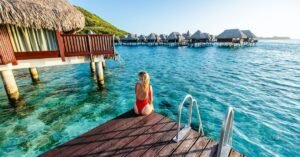


Fiji is one of the South Pacific’s most inviting destinations. Known for turquoise lagoons, palm-lined beaches, and warm hospitality, Fiji offers far more than postcard scenery. With more than 300 islands scattered across clear tropical waters, travellers can choose between lively resort hubs, remote coral atolls, and traditional village communities. This detailed Fiji Travel Guide explains the best islands to visit, top activities, realistic costs, and essential travel advice.
Fiji balances comfort and authenticity. You can stay in a beachfront bungalow, snorkel coral reefs, explore rainforest waterfalls, and attend a traditional kava ceremony all within the same trip. Understanding how the islands are organised helps you plan efficiently.
This complete Fiji Travel Guide covers geography, accommodation types, transportation, budgeting, cultural etiquette, and ideal travel seasons.
Understanding Fiji’s Island Groups
A clear understanding of Fiji’s geography helps travellers plan efficiently. This Fiji Travel Guide explains how the country is divided into distinct island clusters, each offering a different atmosphere and experience. Some islands focus on convenience and accessibility, while others emphasise seclusion and adventure. Combining more than one island group allows visitors to experience Fiji’s cultural diversity, landscapes, and marine environments within a single well-balanced itinerary.
Viti Levu
Viti Levu is Fiji’s largest and most developed island. It is home to Nadi, where the international airport is located, and Suva, the nation’s capital. The Coral Coast stretches along its southern shoreline, offering beaches, mid-range resorts, waterfalls, and village experiences. Viti Levu provides convenience, infrastructure, and varied attractions for first-time travellers exploring Fiji.
Mamanuca Islands
Mamanuca Islands are known for clear lagoons, white sand beaches, and postcard-perfect scenery. Located just offshore from Nadi, they are easily reached by boat or short flight. Many travellers choose these islands for short luxury stays or romantic escapes. Calm waters make them ideal for snorkelling and swimming, making them a popular highlight in any Fiji Travel Guide itinerary.
Yasawa Islands
Yasawa Islands offer a quieter and more remote atmosphere compared to the Mamanucas. Dramatic volcanic cliffs, hidden beaches, and smaller resorts create a peaceful setting. Travellers seeking fewer crowds and a stronger connection to nature often prefer the Yasawas. These islands provide hiking opportunities, snorkelling sites, and relaxed village experiences within a scenic environment.
Vanua Levu
Vanua Levu is Fiji’s second-largest island and remains less developed than Viti Levu. It features lush rainforest landscapes, waterfalls, and excellent diving sites along its northern coast. With fewer tourists, Vanua Levu appeals to travellers seeking tranquillity and authentic local interaction. Including this island in your Fiji Travel Guide itinerary adds diversity beyond the more visited regions.
A well-structured Fiji Travel Guide encourages combining at least two island groups to experience both accessibility and seclusion.
Best Islands to Visit in Fiji
Selecting the best islands depends on personal travel style and expectations. This Fiji Travel Guide highlights how each destination suits different preferences, from luxury retreats to adventurous exploration. Matching your island choice to your interests ensures a more rewarding and comfortable experience.
For First-Time Visitors
Viti Levu is often the most practical choice for first-time travellers. Its strong transport connections, wide range of accommodation, and cultural attractions make it easy to navigate. Visitors can explore markets in Suva, relax along the Coral Coast, and visit inland waterfalls. Viti Levu provides balance and convenience for those new to Fiji.
For Luxury
The Mamanuca Islands are ideal for luxury travellers seeking private island resorts and premium beachfront villas. Many properties feature overwater-style accommodations, curated dining experiences, and spa facilities. These islands cater to honeymooners and couples celebrating special occasions. Luxury-focused travellers often prioritise this region in their Fiji Travel Guide planning.
For Adventure
The Yasawa Islands suit travellers who prefer active exploration and quieter surroundings. Hiking trails, snorkelling reefs, and traditional village visits provide varied experiences. The dramatic scenery and reduced development create an adventurous yet peaceful environment. The Yasawas are well suited for travellers who value nature over nightlife.
For Diving
Vanua Levu and nearby reefs are recognised for exceptional diving conditions. Coral formations, marine biodiversity, and clear visibility attract experienced divers. Sites along the island’s coast offer underwater landscapes rich with marine life. Including Vanua Levu in your Fiji Travel Guide itinerary ensures access to some of the region’s best diving opportunities.
Top Activities in Fiji
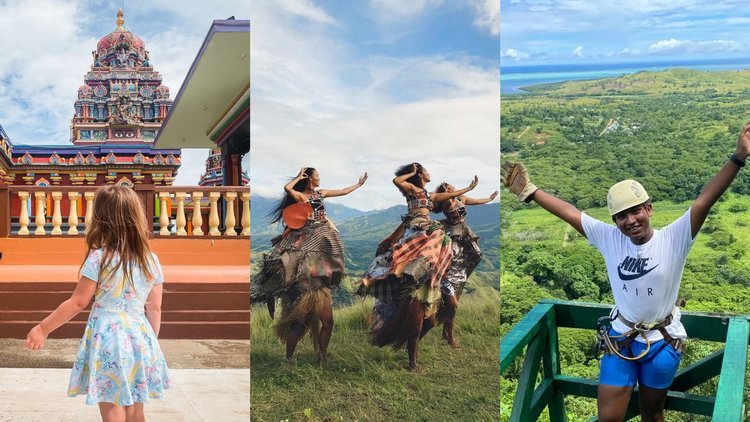
A complete Fiji Travel Guide goes far beyond beach relaxation. While Fiji is famous for its white sand shores, the islands offer marine adventures, inland exploration, and rich cultural experiences. From coral reefs to rainforest trails, visitors can create a balanced itinerary that combines relaxation with discovery. Exploring a mix of water-based and land-based activities helps travellers experience Fiji’s full natural and cultural diversity.
Snorkelling and Diving
Fiji is often called the “Soft Coral Capital of the World.” Coral reefs surround many islands, creating ideal conditions for snorkelling and diving. The waters are clear, warm, and filled with tropical fish, manta rays, and reef sharks. Areas around the Mamanuca Islands and Vanua Levu are especially popular among divers. Even beginners can enjoy shallow reef snorkelling near most resorts.
Island Hopping
Island hopping is one of the most enjoyable ways to explore Fiji. Regular boat transfers connect major island groups, allowing travellers to experience multiple locations in a single trip. Moving between islands such as the Yasawa Islands and Viti Levu provides varied scenery and accommodation styles. Island hopping adds flexibility and adventure to any Fiji Travel Guide itinerary.
Waterfalls and Rainforest
On Viti Levu, inland areas reveal waterfalls, rivers, and rainforest trails. Guided tours often include visits to traditional villages and swimming beneath cascading falls. These experiences provide a refreshing contrast to coastal resorts. Exploring Fiji’s interior landscapes allows visitors to appreciate the country’s volcanic terrain and lush tropical vegetation.
Traditional Kava Ceremony
Participating in a kava ceremony introduces visitors to Fijian customs and community traditions. Kava, made from the root of the yaqona plant, is shared during social gatherings and village events. Guests are welcomed respectfully and invited to sit in a circle while the drink is prepared and served. This cultural experience offers meaningful insight into Fiji’s communal values and hospitality, enriching any Fiji Travel Guide journey.
When to Visit Fiji
Choosing the right travel period is an important part of planning any successful Fiji Travel Guide itinerary. Fiji enjoys a tropical climate throughout the year, but temperature, rainfall, humidity, and travel costs vary depending on the season. Understanding these patterns helps you decide whether you prefer ideal weather conditions or better value pricing. Timing can influence not only comfort but also availability of accommodation and tours.
Dry Season (May to October)
The dry season runs from May to October and is widely considered the best time to visit Fiji. During these months, temperatures are slightly cooler, humidity levels are lower, and rainfall is minimal. Outdoor activities such as snorkelling, diving, hiking, and island hopping are especially enjoyable. However, this period is also peak tourist season, meaning accommodation and flight prices are typically higher.
Wet Season (November to April)
The wet season spans from November to April and brings warmer temperatures along with higher humidity. Short tropical showers are common, especially in the afternoons, but rain rarely lasts all day. Travel costs often decrease during this period, and resorts may offer promotional rates. Travellers who are flexible with occasional rain can benefit from better availability and reduced prices.
Shoulder Months
May and November are often considered shoulder months and provide balanced conditions. Weather remains relatively stable, visitor numbers are moderate, and pricing may not yet reflect full peak-season demand. For many travellers, these months offer the best combination of comfort and value in a well-planned Fiji Travel Guide experience.
Accommodation Options in Fiji
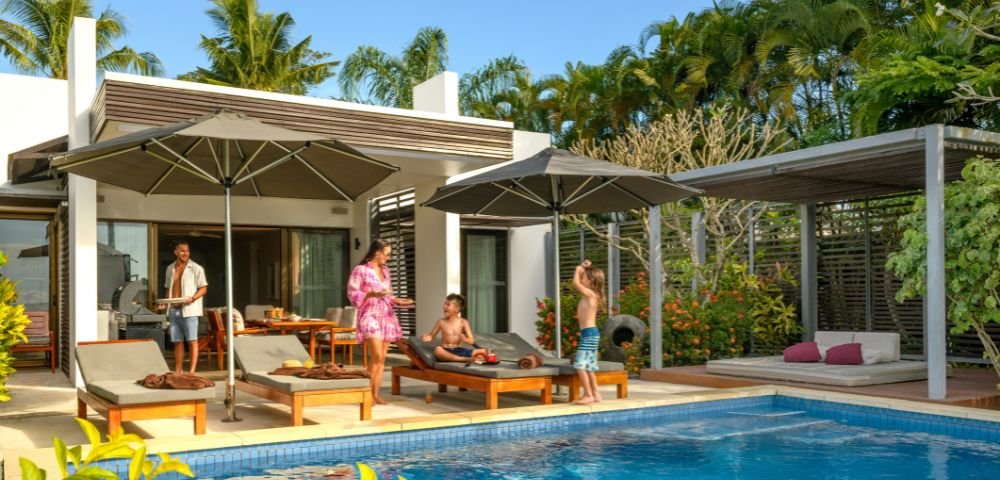
A well-planned Fiji Travel Guide must include a clear understanding of accommodation choices. Fiji offers options for every budget, from simple beachfront dormitories to exclusive private island retreats. Where you stay will shape your overall experience, so matching accommodation type with travel goals is important. Mixing different styles across islands often provides both comfort and cultural variety.
Budget Hostels
Budget hostels are especially common in the Yasawa Islands. These properties are popular with backpackers and solo travellers looking for affordable beachfront access. Many offer shared dormitories or simple private rooms with communal dining areas. Meals are sometimes included in package rates. Staying in hostels creates opportunities to meet other travellers while keeping overall costs manageable.
Mid-Range Resorts
Mid-range resorts are widely available along the Coral Coast on Viti Levu and throughout the Mamanuca Islands. These properties typically provide private rooms, air-conditioning, on-site restaurants, and organised activities. They strike a balance between affordability and comfort, making them suitable for couples and families seeking relaxation without high luxury pricing.
Luxury Private Islands
Exclusive private island resorts are primarily located within the Mamanuca Islands. These properties cater to honeymoon travellers and guests celebrating special occasions. Accommodation may include beachfront villas, private pools, and personalised service. While pricing is significantly higher, the privacy and setting create a memorable experience. Luxury travellers often prioritise these properties in their Fiji Travel Guide planning.
Combining different accommodation types across your itinerary enhances flexibility and provides a broader understanding of Fiji’s hospitality.
Transportation Around Fiji
Effective transportation planning prevents delays and strengthens your overall Fiji Travel Guide experience. Fiji’s islands are spread across open ocean, so understanding arrival points and transfer options is essential before finalising your schedule.
International Arrival
Most travellers arrive via Nadi International Airport, located on Viti Levu. This airport serves as the primary gateway to the country and connects to major international routes. From Nadi, visitors can transfer to other islands by boat or domestic flight.
Ferries and Speedboats
Boat transfers connect popular island groups such as the Mamanuca and Yasawa Islands. Ferries and speedboats operate on scheduled routes, offering both economy and premium seating options. Sea conditions can vary, so checking weather forecasts in advance is recommended when planning transfers.
Domestic Flights
Smaller aircraft operate between major islands, including routes to Vanua Levu and remote destinations. Domestic flights are quicker than boat transfers but typically cost more. Booking inter-island transport in advance ensures smoother connections and avoids last-minute availability issues.
Planning transfers early and allowing buffer time between connections strengthens your Fiji Travel Guide logistics and ensures a more relaxed travel experience.
Food and Dining
Fijian cuisine combines seafood, root vegetables, and tropical fruits. Influences from Indian cuisine are also strong due to Fiji’s cultural diversity.
Popular dishes include:
- Kokoda (marinated raw fish)
- Lovo (earth oven-cooked meats)
- Cassava-based dishes
Local markets in Suva and Nadi offer affordable meals.
Budget Overview
Estimated daily costs:
Budget: £40–£70
Mid-range: £100–£250
Luxury: £400+
Costs vary depending on island choice and season.
Cultural Etiquette in Fiji
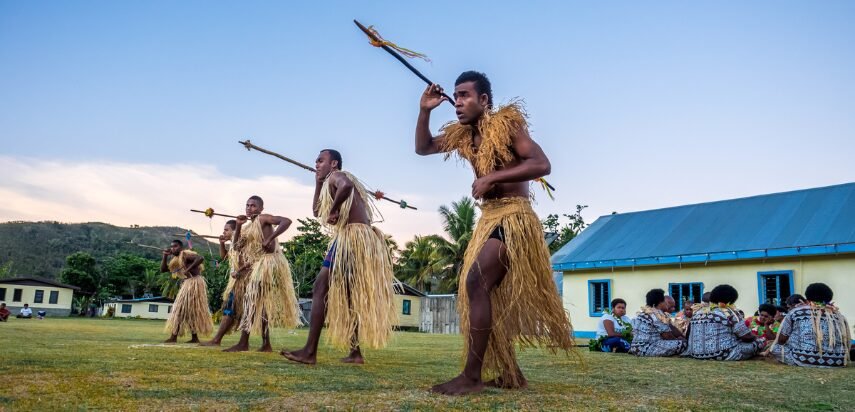
Respect for local customs remains essential.
- Dress modestly in villages
- Remove hats when entering homes
- Participate respectfully in ceremonies
- Avoid loud behaviour on Sundays
Fiji’s hospitality is warm, but cultural awareness enhances the experience.
Safety and Travel Advice
Fiji is generally safe for visitors. However:
- Swim only in designated safe areas
- Monitor weather forecasts during cyclone season
- Use reef-safe sunscreen
Travel insurance is recommended.
Sample 10-Day Fiji Itinerary
Day 1–2: Arrive in Nadi and explore Viti Levu
Day 3–5: Relax in Mamanuca Islands
Day 6–8: Transfer to Yasawa Islands
Day 9–10: Return to Viti Levu
This Fiji Travel Guide itinerary balances accessibility and scenic beauty.
Responsible Tourism in Fiji
Responsible tourism plays an important role in any well-planned Fiji Travel Guide. Many communities across Fiji rely on village-based tourism for income, education funding, and infrastructure support. Travellers who make thoughtful choices contribute directly to local livelihoods while helping preserve cultural traditions and natural environments. Simple actions can create a positive impact without changing your overall travel experience.
Support Village-Based Tourism
Choosing locally owned guesthouses, beach stays, and tour operators ensures that your spending benefits Fijian families directly. Many villages manage their own accommodations and guided experiences. Staying in these properties allows you to learn about local customs, traditional cooking, and daily life. Supporting community-run businesses strengthens economic stability and preserves authentic cultural practices across the islands.
Respect Environmental Guidelines
Fiji’s coral reefs, beaches, and rainforests are delicate ecosystems. Follow posted environmental guidelines, avoid littering, and use reef-safe sunscreen to protect marine life. When snorkelling or diving, do not touch coral or disturb wildlife. Respect for the environment ensures that future visitors can enjoy the same natural beauty described throughout this Fiji Travel Guide.
Engage with Culture Respectfully
When visiting villages, dress modestly and ask permission before taking photographs. Participate in cultural ceremonies, such as kava gatherings, with courtesy and openness. Responsible behaviour builds trust between visitors and local communities, creating meaningful travel experiences that go beyond sightseeing.
By supporting village-based tourism and respecting environmental and cultural values, travellers help maintain Fiji’s unique charm while strengthening community resilience for generations to come.
Must Read:
- Samoa Travel Guide: Beaches, Culture and Essential Visitor Tips
- French Polynesia Travel Guide: Costs, Resorts and When to Visit
Final Thoughts:
Fiji combines accessibility, natural beauty, and cultural richness in a way few destinations can match. From the coral reefs of the Mamanuca Islands to the rainforest trails of Viti Levu, the country offers diverse experiences within manageable travel distances.
This Fiji Travel Guide demonstrates that planning around seasons, selecting the right islands, and respecting local customs transform a beach holiday into a meaningful journey. Whether you seek relaxation, adventure, or cultural immersion, Fiji delivers with warmth and authenticity.