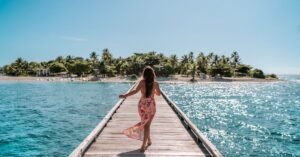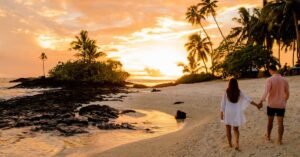

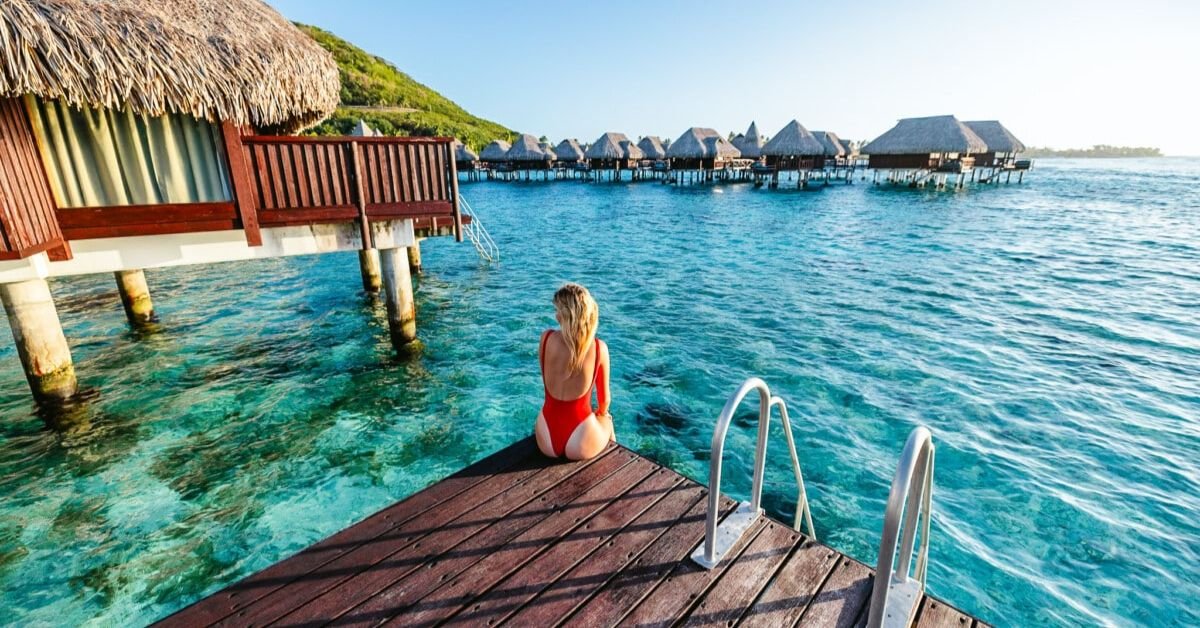
French Polynesia is one of the most visually striking destinations in the world. Spread across a vast section of the South Pacific, this collection of islands combines volcanic mountains, coral atolls, turquoise lagoons, and a unique blend of Polynesian and French culture. Many travellers associate it with luxury honeymoons and overwater bungalows, yet there is far more depth to explore beyond postcard images.
This detailed French Polynesia Travel Guide covers realistic travel costs, accommodation types, seasonal timing, transportation logistics, cultural insights, budgeting advice, and itinerary ideas. Whether you are planning a romantic escape, an adventure-focused trip, or a once-in-a-lifetime island journey, understanding the practical side of French Polynesia helps you travel with confidence.
Where Is French Polynesia and Why It’s Unique?
French Polynesia is an overseas collectivity of France located in the South Pacific Ocean. It consists of more than 100 islands grouped into five archipelagos:
- Society Islands
- Tuamotu Archipelago
- Marquesas Islands
- Austral Islands
- Gambier Islands
Most visitors focus on the Society Islands, home to Tahiti, Bora Bora, and Moorea.
The capital city, Papeete, sits on Tahiti and serves as the main international gateway. Unlike densely developed tourist hubs elsewhere, French Polynesia maintains low building heights and protected natural landscapes. Resorts blend into lagoons rather than dominate coastlines.
This French Polynesia Travel Guide emphasises that geography shapes the experience. Each island offers a slightly different environment, from volcanic peaks to coral atolls.
Understanding Travel Costs in French Polynesia
French Polynesia is not considered a low-budget destination. However, costs vary depending on travel style, season, and accommodation choices. Planning carefully can significantly reduce expenses.
International Flights
Flights to Tahiti often represent the largest upfront cost. Prices fluctuate based on departure region and time of year. Booking six to eight months in advance typically improves rates. Shoulder seasons sometimes provide better airfare deals compared to peak dry season months.
Inter-Island Transport
Air travel connects most major islands. Flights between Tahiti and Bora Bora or other islands add to your budget. Ferry services operate between Tahiti and Moorea and are more affordable.
This French Polynesia Travel Guide recommends limiting the number of island transfers to control costs.
Accommodation
Accommodation is the main daily expense.
Typical nightly rates:
- Guesthouses and pensions: £90–£160
- Mid-range hotels: £180–£400
- Luxury overwater bungalows: £600–£1,500+
Splitting your stay between a pension and a resort can balance comfort and cost.
Food
Dining in French Polynesia is influenced by imports. Expect higher restaurant prices than in Southeast Asia. Casual meals range from £15 to £25, while resort dining can exceed £80 per person.
Supermarkets and local food trucks, known as roulottes in Papeete, offer more affordable options.
Resorts in French Polynesia
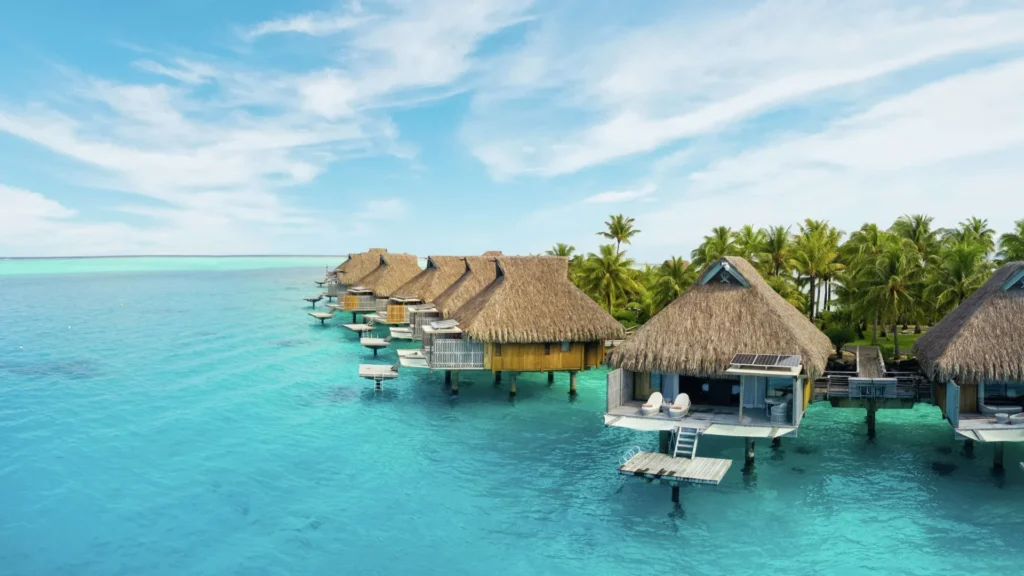
Resorts define the global image of French Polynesia. However, not all properties operate at ultra-luxury pricing.
Overwater Bungalows
Bora Bora is famous for overwater villas perched above crystal lagoons. These accommodations feature glass floor panels, private decks, and direct lagoon access.
They are often chosen for honeymoons or milestone celebrations. Prices are high but deliver iconic experiences.
Boutique Hotels
Moorea offers smaller hotels with lagoon views at more moderate rates. These properties maintain Polynesian design elements while offering modern amenities.
Family-Run Pensions
Pensions provide local hospitality and cultural connection. While simpler than resorts, they are comfortable and welcoming. Breakfast is often included, helping reduce daily expenses.
This French Polynesia Travel Guide encourages travellers to consider mixing accommodation types for a fuller experience.
When to Visit French Polynesia?
Understanding seasonal weather patterns is essential in any well-prepared French Polynesia Travel Guide. Although the islands enjoy warm temperatures year-round, rainfall, humidity, and visitor numbers vary depending on the season. Choosing the right time to travel affects not only comfort but also pricing for flights, resorts, and activities. Careful timing can significantly improve your overall experience.
Dry Season (May to October)
The dry season runs from May through October and is widely considered the best time to visit. During these months, humidity levels drop and temperatures remain pleasantly warm without excessive heat. Skies are generally clear, creating ideal conditions for snorkelling, diving, lagoon tours, and hiking.
Because this period offers the most predictable weather, it is also the most popular travel window. Resorts, especially on Bora Bora and Moorea, tend to raise their rates due to high demand. Flights may also cost more during this peak season. Booking several months in advance is recommended if travelling during the dry months.
Wet Season (November to April)
The wet season typically spans from November to April. Temperatures are warmer, and humidity increases. Short tropical rain showers are common, but they often pass quickly rather than lasting the entire day. Sunshine still appears between rainfall, allowing for outdoor activities.
This period generally brings lower accommodation prices and fewer visitors. Travellers willing to accept occasional rain may find better value, particularly at high-end resorts. A French Polynesia Travel Guide often highlights this season as a cost-saving opportunity for flexible travellers.
Shoulder Months
May and November are considered shoulder months and often provide the best balance between weather and cost. Conditions remain favourable for swimming and outdoor exploration, while visitor numbers are lower than peak dry season months. Prices may not yet reflect full high-season demand.
For many travellers, shoulder months offer the ideal compromise in a French Polynesia Travel Guide. You gain comfortable weather, improved availability, and more competitive pricing without significant seasonal drawbacks.
Best Islands to Include in Your Trip
Choosing the right islands is one of the most important decisions in any well-planned French Polynesia Travel Guide. Each island group offers a slightly different landscape, atmosphere, and travel cost. Some islands focus on luxury and iconic scenery, while others provide adventure, culture, or world-class diving. A balanced itinerary usually combines convenience with variety.
Tahiti
Tahiti is the main international gateway and home to Papeete. Although many travellers treat Tahiti as a transit stop, it offers more than just an airport connection. You will find black sand beaches, lush waterfalls, local markets, and cultural museums. Spending one or two nights here allows you to explore inland valleys and experience everyday Polynesian life before heading to smaller islands.
Moorea
Moorea sits just a short ferry ride from Tahiti and provides dramatic mountain peaks, pineapple plantations, and scenic lagoon tours. It is often considered more affordable than Bora Bora while still delivering stunning views and clear waters. Moorea is ideal for travellers who enjoy hiking, snorkelling, and a relaxed island atmosphere without extreme luxury pricing.
Bora Bora
Bora Bora is frequently the centrepiece of a French Polynesia Travel Guide. Its lagoon is famous for its clarity and vibrant shades of blue. Overwater bungalows define its reputation, attracting honeymooners and travellers celebrating special occasions. While accommodation costs are higher, Bora Bora delivers the iconic tropical imagery that many visitors dream about.
Tuamotu Atolls
The Tuamotu Archipelago offers a completely different landscape compared to volcanic islands. These coral atolls are flat and surrounded by deep lagoons, making them a paradise for divers. Experienced divers often travel here for strong currents, rich marine biodiversity, and exceptional underwater visibility. Including one of the Tuamotu islands adds adventure and variety to your overall French Polynesia Travel Guide itinerary.
Selecting a combination of these islands ensures you experience both convenience and diversity, from cultural markets and mountain trails to luxury lagoons and remote coral reefs.
Activities and Experiences
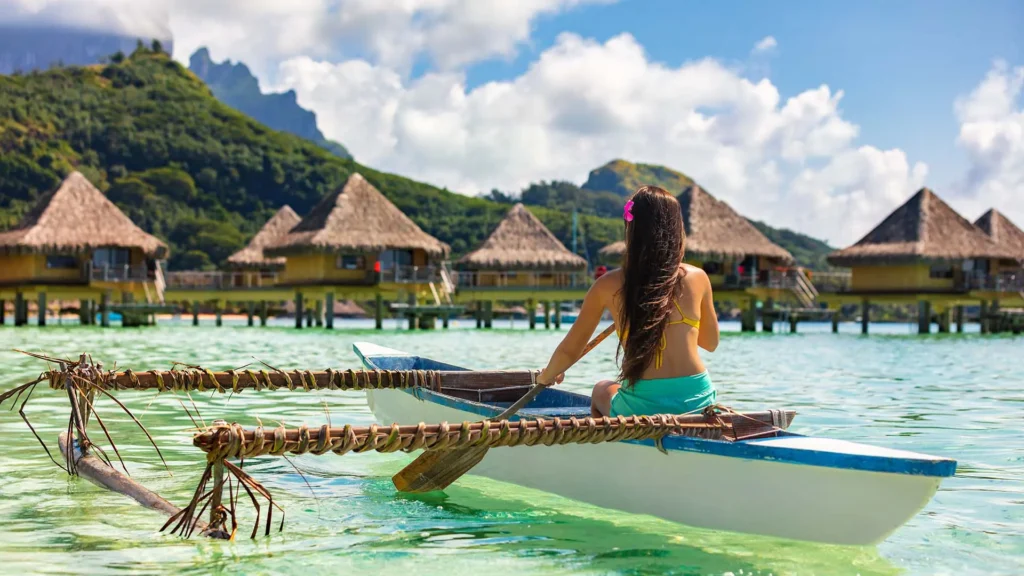
A complete French Polynesia Travel Guide must extend beyond accommodation and scenery. While the islands are famous for their resorts, the real depth of the experience lies in outdoor exploration, marine life encounters, and cultural immersion. From calm lagoon waters to dramatic mountain viewpoints, activities across the islands provide variety for every type of traveller.
Lagoon Tours
Lagoon tours are among the most popular experiences in French Polynesia. Guided boat excursions navigate coral gardens, shallow sandbanks, and crystal-clear snorkelling areas. Many tours circle the lagoon of Bora Bora or Moorea, allowing visitors to see vibrant fish species and coral formations up close. These half-day or full-day tours often include multiple swimming stops and provide insight into the fragile marine ecosystem.
Shark and Ray Encounters
Many lagoon excursions include controlled and safe encounters with reef sharks and stingrays. These experiences take place in shallow water under the supervision of trained guides. Blacktip reef sharks are common in the lagoons, and stingrays often glide close to swimmers. Such encounters highlight the biodiversity that makes French Polynesia a marine paradise, while maintaining strict safety standards.
Hiking Adventures
Beyond the lagoons, hiking offers a different perspective of the islands. Moorea is particularly known for its mountain trails and panoramic viewpoints. Trails wind through tropical vegetation and climb volcanic peaks, rewarding hikers with sweeping views over lagoons and reef lines. Early morning hikes provide cooler temperatures and clearer visibility.
Cultural Performances
Traditional Polynesian dance shows add cultural depth to your visit. Resorts and community venues host evening performances featuring music, storytelling, and fire dancing. These events reflect centuries-old traditions and provide insight into Polynesian identity. A thoughtful French Polynesia Travel Guide always encourages travellers to engage with local culture, not only natural scenery.
Including a mix of marine, land-based, and cultural activities ensures your journey through French Polynesia feels immersive rather than one-dimensional.
Sample 10-Day Itinerary
Day 1–2: Tahiti
Day 3–5: Moorea
Day 6–9: Bora Bora
Day 10: Return to Tahiti
This itinerary balances accessibility and scenic diversity.
Budget Planning Example
Estimated mid-range daily budget:
Accommodation: £250
Food: £50
Activities: £80
Transport: £40
Approximate daily total: £420
Costs decrease with guesthouse stays and fewer inter-island flights.
Cultural Etiquette
A thoughtful French Polynesia Travel Guide must include guidance on cultural etiquette. While the islands are relaxed and welcoming, local traditions remain important. French Polynesia blends deep Polynesian heritage with French administrative influence, creating a unique cultural environment. Visitors who show awareness and respect will find interactions warmer and more meaningful throughout their stay.
Dress Modestly Outside Resorts
Resort areas are generally casual, but modest clothing is recommended in towns and villages. When visiting local markets, churches, or smaller communities, avoid swimwear and overly revealing outfits. Lightweight dresses, shirts, and knee-length shorts are appropriate choices. Respectful attire reflects appreciation for community values and strengthens positive cultural exchange.
Polite Greetings Matter
Greeting locals politely is a simple yet important custom. A friendly “Bonjour” or “Ia Orana” when entering shops or restaurants shows courtesy. Politeness is highly valued, especially in smaller islands where community ties are strong. A respectful tone goes a long way in creating positive connections during your journey.
Respect Religious and Community Spaces
Churches and community gathering places hold significant importance. If attending a Sunday service or visiting during local events, behave quietly and follow local guidance. Photography inside churches should only be done if permitted. Awareness of surroundings demonstrates cultural sensitivity.
Understanding and following these etiquette practices enhances your overall experience. A respectful approach ensures your time in French Polynesia remains harmonious and rewarding for both visitors and local communities.
Travel Insurance and Health
A reliable French Polynesia Travel Guide always highlights the importance of travel insurance and basic health preparation. While the islands are generally safe and peaceful, their remote location in the South Pacific means that medical evacuation or specialised treatment can become expensive. Proper insurance coverage protects you from unexpected costs and provides peace of mind during your trip.
Why Travel Insurance Is Essential?
French Polynesia consists of scattered islands separated by significant distances. If a medical emergency occurs on a smaller island, transfer to Tahiti may be required. Travel insurance that includes emergency evacuation coverage is strongly recommended. Policies should also cover trip cancellation, activity-related incidents, and luggage protection.
Medical Facilities and Services
The most advanced medical facilities are located in Papeete on Tahiti. Smaller islands typically have clinics that can handle minor injuries and basic healthcare needs. However, complex treatments may require transfer to Tahiti. Travellers with pre-existing conditions should carry necessary medication and prescriptions.
Health Preparation Tips
It is advisable to pack a small medical kit including basic pain relief, motion sickness tablets for boat trips, and reef-safe sunscreen. Staying hydrated is important, especially during warmer months. While tap water is generally safe in Tahiti and major resorts, bottled water is commonly used in more remote areas.
Preparing in advance ensures that your French Polynesia Travel Guide experience remains smooth, safe, and stress free from arrival to departure.
Must Read:
Final Thoughts:
French Polynesia combines natural beauty, cultural richness, and refined resort experiences. While often viewed as exclusive, thoughtful planning opens options for a wider range of travellers.
By choosing the right season, mixing accommodation types, limiting island transfers, and budgeting carefully, you can create a balanced itinerary. From the lagoons of Bora Bora to the peaks of Moorea, the destination rewards preparation.
This French Polynesia Travel Guide demonstrates that understanding costs, resorts, and seasonal timing transforms an aspirational trip into a realistic plan. With careful organisation, your visit can feel immersive, memorable, and well-managed rather than overwhelming.