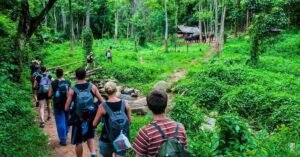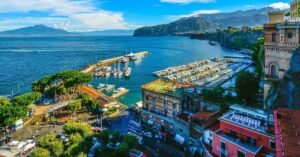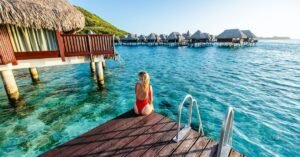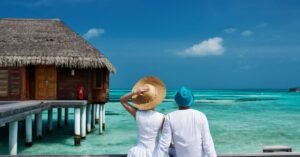

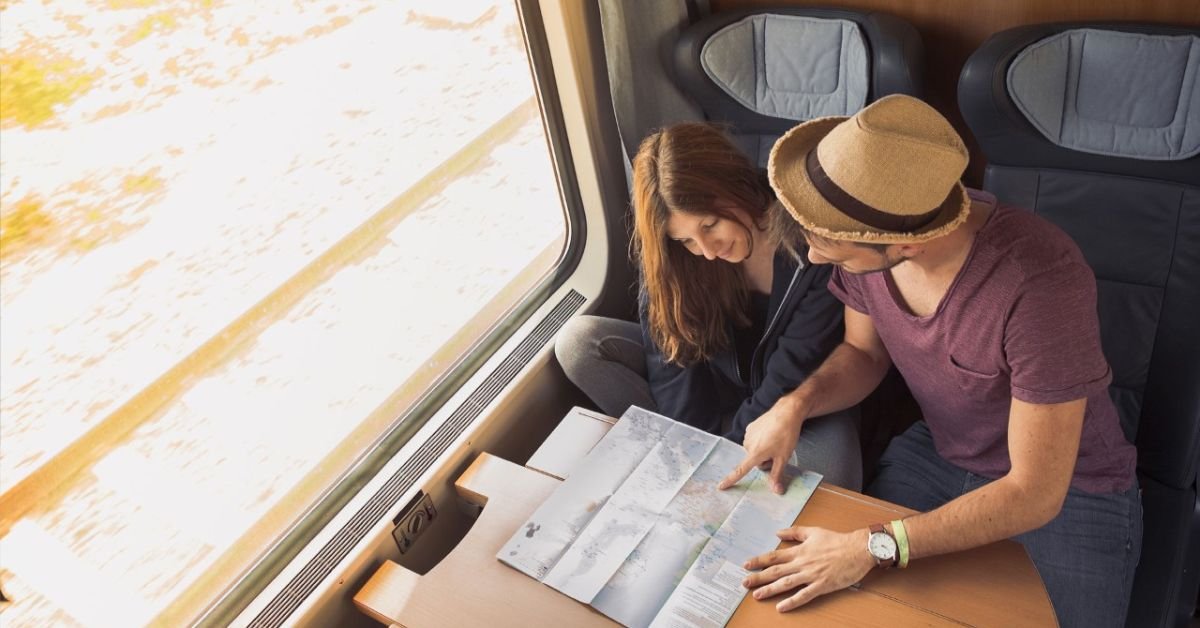
Travelling without a strict itinerary has become increasingly popular among modern explorers. Many travellers today are choosing a more flexible approach to discovering new places, cultures, and experiences. Learning how to travel without a plan allows travellers to embrace spontaneity, freedom, and adventure while discovering destinations in a more natural way. Instead of following rigid schedules, travellers who understand how to travel without a plan focus on curiosity, openness, and adapting to opportunities along the journey.
One of the main reasons people search for advice on how to travel without a plan is the desire for authentic experiences. Traditional travel itineraries often include crowded attractions and fixed timelines, which can limit the ability to explore hidden gems. Travelling without strict planning encourages travellers to explore local neighbourhoods, interact with residents, and uncover unique experiences that are not listed in guidebooks.
Another important aspect of understanding how to travel without a plan is the sense of personal freedom it provides. When travellers are not bound by schedules, they can change destinations, stay longer in places they love, or follow recommendations from locals and fellow travellers. This flexible style of travel allows people to experience the journey itself rather than focusing only on reaching specific locations.
What It Means to Travel Without a Plan?
Understanding how to travel without a plan does not mean travelling without preparation or responsibility. Instead, it means avoiding rigid itineraries and allowing room for unexpected discoveries. Travellers who practise how to travel without a plan typically organise basic essentials such as travel documents, finances, and transportation options, while leaving daily activities flexible.
This approach focuses on exploration and curiosity. Rather than planning every hour of the trip, travellers make decisions based on mood, weather, recommendations, or spontaneous opportunities. Learning how to travel without a plan encourages travellers to trust their instincts and enjoy the natural flow of travel.
For many people, how to travel without a plan becomes a method of experiencing destinations more deeply. Instead of rushing between attractions, travellers spend more time observing local culture, enjoying nature, and interacting with new communities.
Benefits of Travelling Without a Plan
Many travellers find that learning how to travel without a plan improves their travel experiences in several ways. Flexible travel allows individuals to focus more on enjoyment rather than constantly managing schedules.
Key advantages include:
• Greater freedom and flexibility
• Opportunities for unexpected discoveries
• Deeper cultural experiences
• Less travel stress
• Improved adaptability and confidence
When travellers understand how to travel without a plan, they often discover hidden places and experiences that traditional tourists may miss.
Planned Travel vs Flexible Travel
| Travel Style | Characteristics | Experience |
|---|---|---|
| Fully planned travel | Fixed schedule and itinerary | Predictable but less flexible |
| Semi-planned travel | Basic outline with flexibility | Balanced approach |
| Travel without a plan | Minimal scheduling | Spontaneous and adventurous |
Travellers interested in how to travel without a plan usually prefer the flexible or semi-planned approach, allowing room for adventure while maintaining basic organisation.
Preparing for Flexible Travel
Even though the goal is learning how to travel without a plan, some preparation remains important. Preparation ensures that travellers remain safe, comfortable, and confident during spontaneous journeys.
Essential preparations include:
• Valid passport and travel documents
• Travel insurance
• Emergency funds
• Mobile navigation tools
• Basic knowledge of the destination
Travellers who practise how to travel without a plan often focus on preparing essential items while leaving most activities open-ended.
Choosing the Right Destinations
Not every location is suitable for spontaneous travel. Selecting destinations carefully is important when learning how to travel without a plan. Some places offer better infrastructure, safety, and flexibility for travellers.
Good destinations for flexible travel often include:
• Cities with strong public transportation
• Backpacker-friendly regions
• Countries with reliable accommodation options
• Areas known for friendly local communities
• Destinations with multiple natural attractions
These types of places make it easier to practise how to travel without a plan because travellers can easily adjust their routes and schedules.
Packing Smart for Unplanned Travel
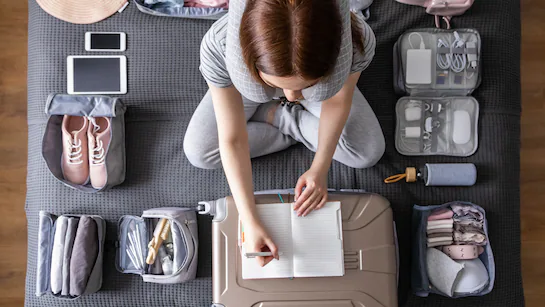
Packing efficiently is an essential part of mastering how to travel without a plan. Travellers who carry too many belongings may find it difficult to move freely between destinations.
Smart packing tips:
• Choose lightweight luggage or backpacks
• Pack versatile clothing suitable for different weather conditions
• Carry essential electronics and chargers
• Bring a reusable water bottle and travel essentials
• Keep travel documents organised
Travellers who understand how to travel without a plan often prefer minimalist packing because it allows easier mobility and flexibility.
Finding Accommodation Without Planning
One of the biggest concerns people have when learning how to travel without a plan is accommodation. Fortunately, modern technology makes it easier than ever to find places to stay.
Popular options include:
• Hostels
• Guesthouses
• Budget hotels
• Short-term rental platforms
• Eco-lodges and campsites
Travellers practising how to travel without a plan often book accommodation on the same day or rely on recommendations from locals and other travellers.
Using Technology to Stay Flexible
Technology plays an important role in helping travellers learn how to travel without a plan. Smartphones, travel apps, and digital maps allow travellers to find directions, accommodation, and attractions quickly.
Useful digital tools include:
• Navigation apps for directions
• Booking platforms for accommodation
• Translation apps for communication
• Currency conversion apps
• Public transport apps
These tools make how to travel without a plan easier and safer for modern travellers.
Meeting People While Travelling
Travelling without a fixed plan often creates opportunities to meet new people. Learning how to travel without a plan encourages travellers to connect with locals, fellow travellers, and tour guides.
Many travellers report that some of their best experiences come from conversations with people they meet along the way. These interactions often lead to recommendations for hidden attractions, restaurants, or cultural events.
Because of these social experiences, many people believe how to travel without a plan leads to more authentic and memorable journeys.
Budgeting for Flexible Travel

Budget management remains important when exploring how to travel without a plan. Without a strict itinerary, travellers need to monitor spending carefully.
Practical budgeting tips:
• Set a daily spending limit
• Track expenses using mobile apps
• Keep emergency funds available
• Choose affordable accommodation options
• Use public transportation when possible
Travellers who practise how to travel without a plan often prioritise experiences rather than luxury expenses.
Exploring Destinations Spontaneously
One of the most exciting aspects of how to travel without a plan is spontaneous exploration. Instead of following guidebook recommendations, travellers explore neighbourhoods, local markets, parks, and cultural sites naturally.
Some travellers enjoy wandering through streets without a specific destination. Others follow recommendations from locals or other travellers they meet along the way.
These spontaneous discoveries often become the most memorable parts of journeys focused on how to travel without a plan.
Staying Safe During Flexible Travel
Safety should always remain a priority when practising how to travel without a plan. Travellers should remain aware of their surroundings and make responsible decisions.
Important safety tips include:
• Share travel plans with family or friends
• Avoid unsafe areas at night
• Keep important documents secure
• Carry emergency contact information
• Trust personal instincts
Following these safety guidelines allows travellers to enjoy how to travel without a plan while minimising risks.
Learning From Local Experiences
Another benefit of mastering how to travel without a plan is learning directly from local communities. Instead of visiting only major attractions, travellers can participate in everyday cultural experiences.
Examples include visiting local markets, attending cultural festivals, trying regional cuisine, and joining community activities.
These experiences make how to travel without a plan particularly rewarding for travellers who want authentic cultural immersion.
Developing Confidence Through Spontaneous Travel
Travelling without strict plans often helps people build confidence and independence. Learning how to travel without a plan encourages travellers to solve problems, navigate unfamiliar environments, and make decisions quickly.
Many solo travellers report that spontaneous travel strengthens their adaptability and resilience. Over time, practising how to travel without a plan becomes easier and more enjoyable.
Skills Developed Through Flexible Travel
| Skill | How Flexible Travel Helps |
|---|---|
| Problem solving | Travellers adapt to changing situations |
| Communication | Interaction with locals improves language skills |
| Confidence | Independent decisions build self-trust |
| Cultural awareness | Exposure to different communities |
| Creativity | Discovering unique travel experiences |
These skills highlight why many travellers continue practising how to travel without a plan after their first spontaneous journey.
When Planning Is Still Helpful
Although the focus is learning how to travel without a plan, some situations still benefit from preparation. Long-distance transportation, visa requirements, and seasonal conditions often require basic planning.
Travellers who understand how to travel without a plan typically prepare only the essential elements while leaving daily exploration flexible.
Common Challenges of Travelling Without a Plan
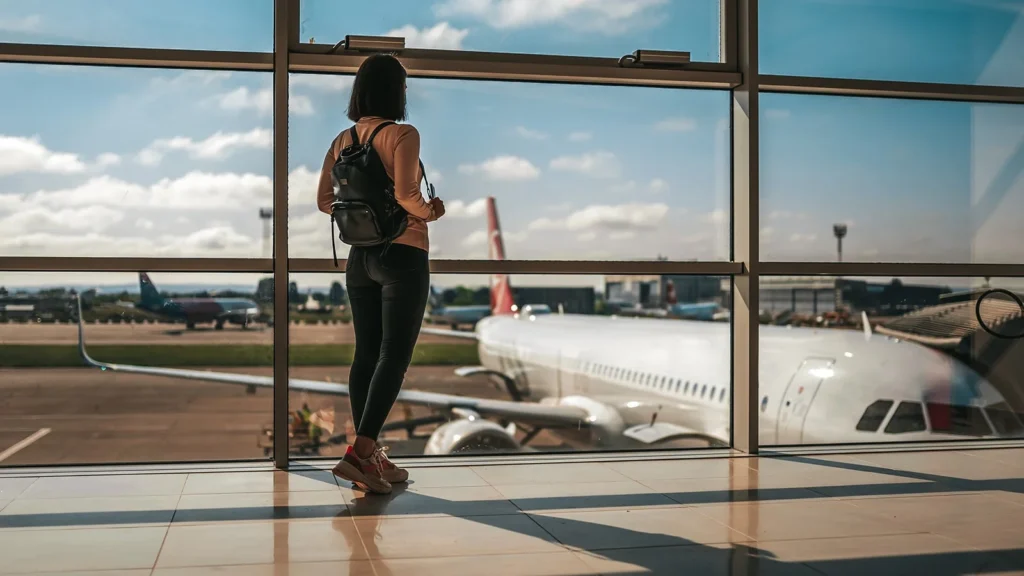
While spontaneous travel can be exciting, it also comes with challenges. Travellers learning how to travel without a plan may occasionally encounter difficulties such as limited accommodation availability or transportation delays.
Common challenges include:
• Higher last-minute costs
• Limited availability during peak seasons
• Unpredictable weather conditions
• Navigational difficulties
• Decision fatigue
Understanding these challenges helps travellers practise how to travel without a plan more effectively.
Why Many Travellers Prefer Flexible Travel?
For many people, mastering how to travel without a plan becomes a preferred travel style. The flexibility allows travellers to discover unexpected locations, adapt to new opportunities, and fully enjoy the journey.
Travellers who practise how to travel without a plan often describe their experiences as more authentic and meaningful compared to heavily structured trips.
Must Read:
- Who Offers Eco-Conscious Travel Tips?
- Budget Travel Tips Philippines: Travel More, Spend Less
- French Polynesia Travel Guide: Costs, Resorts and When to Visit
FAQs:
1. Is it safe to travel without a plan?
Yes, travelling without a strict itinerary can be safe if you prepare the essentials. People who understand how to travel without a plan usually keep important documents, emergency contacts, travel insurance, and enough funds ready. It is also wise to research general safety information about your destination and stay aware of your surroundings during the trip.
2. How do you find accommodation when travelling without a plan?
Many travellers practising how to travel without a plan use booking apps, local guesthouses, hostels, or short-term rentals. It is common to book accommodation on the same day or a day in advance. Asking locals or fellow travellers for recommendations can also help you find comfortable and affordable places to stay.
3. Is travelling without a plan more expensive?
It can sometimes be slightly more expensive because last-minute bookings may cost more. However, travellers who know how to travel without a plan often balance costs by choosing budget accommodation, using public transport, and exploring free attractions such as parks, beaches, hiking trails, and local markets.
4. What should you pack when travelling without a plan?
Packing light is important when learning how to travel without a plan. A small backpack, versatile clothing, travel documents, chargers, a reusable water bottle, and basic toiletries are usually enough. Carrying fewer items makes it easier to move between destinations and adjust your plans quickly.
5. Which destinations are best for travelling without a plan?
Cities with good transportation, friendly communities, and plenty of accommodation options are ideal when practising how to travel without a plan. Backpacker-friendly destinations, nature regions, and culturally rich cities often provide many opportunities for spontaneous exploration and flexible travel.
6. How do you decide where to go each day without a plan?
Travellers who follow how to travel without a plan often rely on curiosity, local recommendations, weather conditions, and personal interests. Visiting nearby attractions, exploring neighbourhoods, or following suggestions from locals can lead to unexpected and memorable experiences during the journey.
Final Thoughts:
Learning how to travel without a plan opens the door to a completely different travel experience. Instead of following strict schedules, travellers enjoy the freedom to explore destinations at their own pace. This style of travel encourages curiosity, flexibility, and deeper connections with people and places.
Travellers who understand how to travel without a plan often discover that some of the most memorable moments occur when plans change unexpectedly. A recommendation from a local resident, an unplanned hike through nature, or a spontaneous festival visit can transform an ordinary trip into an unforgettable journey.
Another important benefit of practising how to travel without a plan is personal growth. Travellers develop independence, problem-solving skills, and cultural awareness while navigating unfamiliar environments. These experiences build confidence and encourage travellers to embrace new opportunities.
Ultimately, mastering how to travel without a plan allows travellers to experience the world in a more natural and meaningful way. By balancing preparation with spontaneity, travellers can enjoy both freedom and safety while exploring new destinations.
For those seeking adventure, authenticity, and unforgettable experiences, learning how to travel without a plan may be one of the most rewarding travel skills they can develop.