

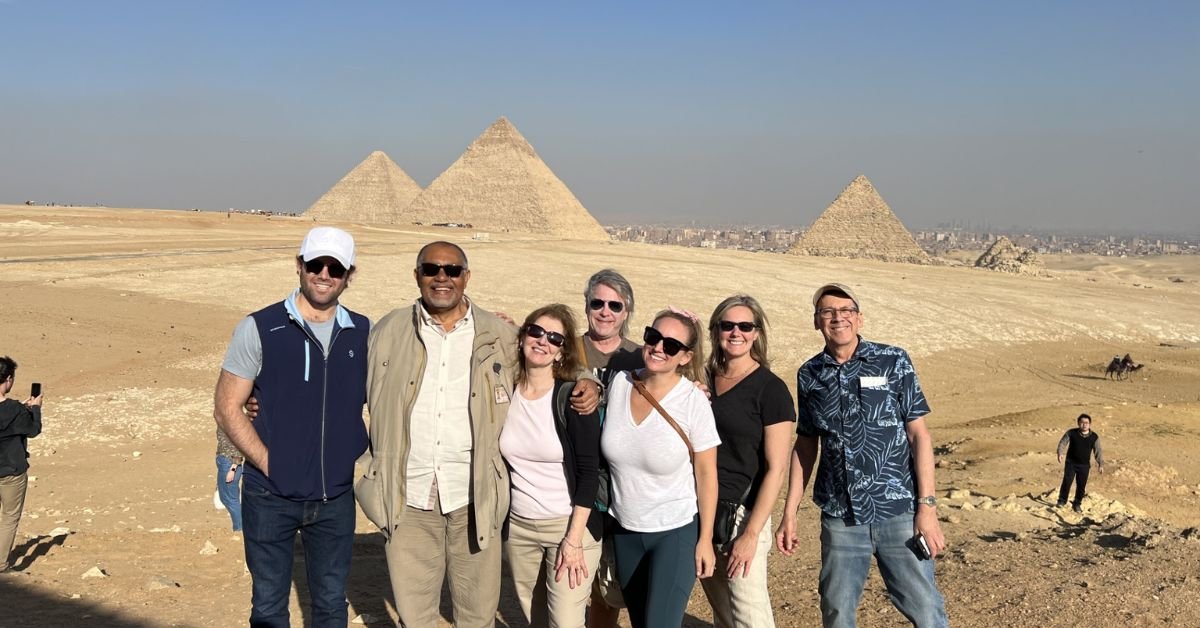
When planning an international trip, safety is often the first concern. If you are asking, Is it safe to travel to Egypt right now? you are not alone. Egypt remains one of the most visited countries in Africa and the Middle East, attracting millions of tourists annually. From ancient pyramids to Red Sea resorts, Egypt continues to operate as a major global tourism destination.
However, safety is not a simple yes-or-no question. It depends on region, current travel advisories, political stability, personal behaviour, and how well you prepare. This detailed guide explores whether it is safe to travel to Egypt right now by examining security conditions, tourist safety, regional differences, health considerations, scams, transportation safety, and practical travel advice.
By the end of this guide, you will have a realistic, balanced understanding of what to expect when travelling to Egypt today.
Current Safety Overview: National Perspective
Egypt has made significant efforts over the past decade to strengthen security in major tourist areas. Airports, hotels, archaeological sites, and resorts maintain visible security presence. Tourist zones are heavily monitored, especially in cities such as Cairo, Luxor, Aswan, and Red Sea destinations.
When asking whether it is safe to travel to Egypt right now, it is important to distinguish between isolated political tensions and day-to-day tourist experiences. Most popular tourist destinations operate normally and receive steady international visitors.
Governments such as the UK, US, Canada, and Australia typically advise travellers to exercise increased caution in Egypt, rather than advising against travel entirely. Some remote border regions carry stricter advisories, but mainstream tourist circuits remain open and active.
In short, millions continue to travel to Egypt safely each year. The key is awareness and preparation.
Regional Safety Breakdown
Safety varies depending on where you travel. Understanding regional differences helps answer whether it is safe to travel to Egypt right now.
Cairo: Urban Awareness Required
Cairo
Cairo is Egypt’s capital and largest city. Like many major global cities, it has areas that feel crowded and chaotic. Petty crimes such as pickpocketing can occur, especially in busy areas like markets and transportation hubs.
Tourist areas such as the Giza Plateau and major museums maintain strong security. Violent crime against tourists is rare. Visitors should remain alert in crowded spaces, avoid political demonstrations, and use reputable transport services.
Luxor and Aswan: Generally Calm Tourist Zones
Luxor
Aswan
Luxor and Aswan are considered among the safest Egypt travel destinations. These cities rely heavily on tourism and maintain a visible security presence around temples and cruise terminals.
Petty sales pressure from vendors may feel persistent, but it is rarely dangerous. A polite but firm refusal is usually sufficient.
For most visitors, Upper Egypt feels calm and welcoming.
Red Sea Resorts: Highly Secured
Hurghada
Sharm El Sheikh
Red Sea destinations are among the most controlled environments in Egypt. Entry points to resort areas often have checkpoints. Hotels maintain private security and controlled access.
These coastal towns focus on international tourism and generally offer relaxed, safe environments for families and solo travellers.
Sinai Peninsula: Check Travel Advisories
While Sharm El Sheikh is widely considered safe for tourists, parts of the northern Sinai region carry higher risk advisories. These areas are far from standard tourist routes.
Before travelling, always check your government’s latest advisory for specific regional updates.
Crime in Egypt: What Travellers Should Know
When evaluating whether it is safe to travel to Egypt right now, crime statistics matter.
Violent Crime
Violent crime targeting tourists is relatively rare. Most visitors experience no physical harm during their trip.
Petty Crime
Common minor issues include:
- Pickpocketing in crowded markets
- Overcharging by taxi drivers
- Tourist-targeted scams
- Aggressive souvenir selling
These situations are usually avoidable with basic travel awareness.
Common Tourist Scams: What to Watch For
Like many popular destinations, Egypt has minor tourist scams that visitors should understand before arrival. Being aware of these situations improves your confidence and helps you move through markets and historic sites comfortably. Most scams are opportunistic rather than dangerous, and they are usually easy to avoid with simple precautions.
Overpriced Souvenirs: Negotiation Culture
In traditional markets and souvenir shops, vendors may begin with inflated prices, especially in busy tourist areas. This is part of local bargaining culture rather than a hostile act.
To handle this confidently:
- Never accept the first quoted price.
- Offer significantly lower and negotiate upward gradually.
- Be prepared to walk away if the price feels unreasonable.
Shops inside hotels or government-run stores usually have fixed pricing, but open markets expect negotiation. Treat it as a cultural experience rather than confrontation.
“Free” Assistance: Nothing Is Truly Free
You may encounter individuals offering unsolicited help, such as:
- Taking photos for you
- Giving directions
- Offering to show you a “shortcut”
- Pointing out “hidden” attractions
After providing assistance, they may request payment. The safest response is to politely decline help unless you genuinely need it. If you do accept assistance, agree clearly on payment beforehand to avoid awkward situations.
Remaining polite but firm usually resolves these encounters quickly.
Fake Guides: Verify Credentials
At major attractions, some individuals may approach you claiming to be official guides. They may offer tours at attractive rates but lack proper licensing.
To avoid this:
- Book guides through reputable hotels or established tour companies.
- Ask to see official identification badges.
- Avoid handing over passports or personal documents.
Licensed guides are trained, knowledgeable, and regulated. Using verified professionals ensures both safety and quality information.
Political Stability and Protests
Egypt has experienced political changes in the past decade. However, daily life in major tourist areas continues normally.
Travellers should:
- Avoid political gatherings or protests
- Refrain from discussing sensitive political topics
- Monitor local news updates
Tourist sites remain open and active even during broader political shifts.
Health and Medical Safety
Health considerations play an important role when evaluating whether it is safe to travel to Egypt right now. While Egypt welcomes millions of visitors annually, preparation helps minimise common travel-related illnesses. Understanding healthcare access, food hygiene, and vaccination guidance allows travellers to enjoy their trip confidently and responsibly.
Healthcare Facilities
Major cities such as Cairo and Alexandria offer private hospitals with reasonable standards of care. Tourist hubs and Red Sea resorts often provide onsite clinics for minor issues. Comprehensive travel insurance that includes medical evacuation coverage is strongly recommended for additional peace of mind.
Food and Water Safety
Stomach discomfort is one of the most common travel complaints in Egypt. Drinking bottled water instead of tap water significantly reduces risk. Avoid ice unless served in reputable establishments, and choose clean, well-reviewed restaurants. Traveller’s diarrhoea can occur but is usually mild and manageable with hydration and rest.
Vaccinations
Before travelling, consult your healthcare provider regarding recommended vaccinations. Routine travel vaccines are typically advised depending on your home country and medical history. Planning ahead ensures you are protected against preventable illnesses and prepared for safe travel throughout Egypt.
Is Egypt Safe for Solo Travellers?
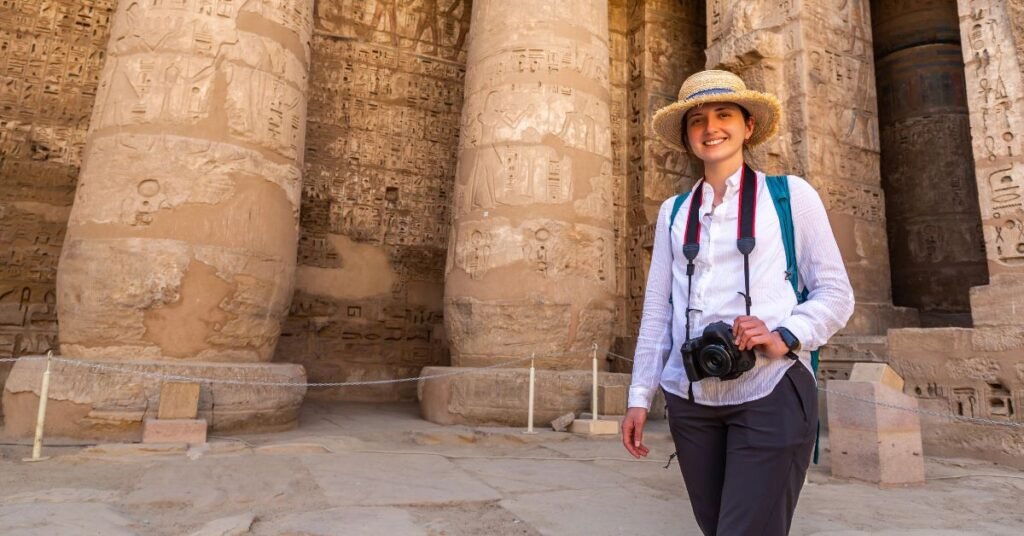
Egypt attracts thousands of solo travellers every year, including backpackers, photographers, digital nomads, and cultural explorers. While travelling alone always requires extra awareness, many solo visitors report positive experiences across Egypt’s main tourist routes. The key to staying safe lies in preparation, situational awareness, and respecting local customs.
Solo travel in Egypt can be deeply rewarding. The country’s historical depth and structured tourism infrastructure make it possible to explore independently while still accessing organised tours when needed.
Solo Female Travellers: Practical Awareness Matters
Women travelling alone in Egypt may notice more public attention than they would in Western countries, especially in large cities like Cairo. This attention is often verbal rather than physical, but it can feel uncomfortable if unexpected.
To increase comfort and confidence:
- Dress modestly, particularly outside beach resorts
- Wear loose clothing that covers shoulders and knees
- Use registered taxis or ride-hailing apps
- Avoid isolated streets at night
- Walk confidently and limit prolonged eye contact
In tourist-focused destinations such as Luxor and Aswan, harassment levels are generally lower due to strong tourism presence and visible security.
Many solo female travellers complete Nile cruises or guided day tours, which provide both structure and social interaction without sacrificing independence.
Solo Male Travellers: Standard Urban Caution
Men travelling alone typically face fewer social challenges in Egypt. However, this does not eliminate the need for awareness.
Solo male travellers should:
- Avoid political discussions
- Stay away from demonstrations
- Keep valuables secure
- Use reputable transport services
- Avoid excessive alcohol consumption
Most issues encountered by solo male travellers involve aggressive sales tactics rather than safety threats.
Is Egypt Safe for Families?
Families frequently travel to Egypt, especially to Red Sea resorts and Nile cruises.
Resorts offer:
- Controlled environments
- Family-friendly amenities
- Private beaches
Temple visits with children require sun protection and hydration planning due to heat.
Overall, Egypt can be family-friendly when structured carefully.
Transportation Safety
Transportation plays an important role when evaluating whether it is safe to travel to Egypt right now. The country is large, and moving between cities like Cairo, Luxor, Aswan, and Red Sea resorts requires planning. Fortunately, Egypt has a well-established tourism transport network that makes intercity travel manageable and generally safe when you choose the right options.
Understanding which transport methods offer the best balance of comfort, reliability, and security helps reduce stress and improve your overall travel experience.
Domestic Flights: Fast and Reliable
Domestic flights are one of the safest and most efficient ways to travel between major Egypt travel destinations. Routes between Cairo, Luxor, Aswan, and coastal hubs like Hurghada operate daily.
Flights significantly reduce travel time compared to road or rail journeys. Airports have visible security screening procedures, and domestic aviation standards align with international norms.
For travellers with limited time or families with children, flying is often the most convenient and secure choice.
Trains: Practical but Choose Carefully
Egypt’s rail network connects Cairo with Upper Egypt, including Luxor and Aswan. Overnight sleeper trains are available and popular with travellers seeking a traditional journey along the Nile corridor.
For safety and comfort:
- Book first-class or sleeper compartments
- Reserve tickets in advance
- Keep valuables secured inside your cabin
- Avoid standing in open carriage doorways
While train travel is generally safe, delays can occur. First-class tickets provide cleaner facilities and greater privacy, which improves the overall experience.
Taxis and Ride Apps: Know Before You Go
Urban transport requires awareness, particularly in Cairo.
Ride-hailing apps have improved safety and pricing transparency significantly. They allow you to track routes, avoid fare disputes, and minimise language barriers. Many travellers prefer them over street taxis for these reasons.
If using a street taxi:
- Agree on the fare before entering the vehicle
- Carry small cash denominations
- Avoid unofficial drivers approaching you at airports
Licensed taxis are common, but clarity on pricing avoids unnecessary misunderstandings.
Tour Transfers: Maximum Convenience
Private transfers arranged through reputable hotels or licensed tour operators provide the highest level of reliability. These drivers are vetted and accustomed to transporting international visitors.
For airport pickups, temple visits, and long-distance transfers, organised transport reduces navigation stress and ensures direct routing. It is especially recommended for first-time visitors or those arriving late at night.
Terrorism Risk: Context and Reality
Egypt has faced terrorism threats in the past. However, security measures in tourist zones have significantly increased.
High-profile incidents are rare and heavily reported internationally, which can amplify fear beyond statistical probability.
Airports, hotels, and major monuments employ security screenings similar to international standards.
While no destination is risk-free, mainstream tourist routes in Egypt operate under heightened protection.
Cultural Safety and Local Laws
Understanding local customs and laws improves both safety and comfort while travelling in Egypt. Respecting social expectations reduces misunderstandings and unwanted attention. Egypt maintains traditional values in many areas, so small adjustments in behaviour, clothing, and conduct help travellers navigate cities, historical sites, and resorts more confidently and smoothly.
Dress Code
Modest clothing is recommended throughout Egypt, particularly outside beach resorts. Women should consider covering shoulders and knees, while men should avoid overly revealing outfits. Loose, lightweight clothing is practical in the heat and culturally appropriate. Dressing respectfully helps reduce unwanted attention and allows visitors to blend comfortably into local environments.
Photography
Photography is widely enjoyed in Egypt, but restrictions apply. Avoid taking pictures of military personnel, police officers, government buildings, or security checkpoints. Always ask permission before photographing individuals, especially in rural areas. Some historical sites restrict flash photography or charge fees, so checking rules beforehand prevents misunderstandings and inconvenience.
Alcohol
Alcohol is available in licensed hotels, restaurants, and tourist venues. Drinking responsibly within these spaces is generally acceptable. However, public intoxication or drinking outside authorised locations is discouraged and may attract negative attention. Showing moderation and respecting local norms ensures a comfortable and trouble-free experience while visiting Egypt.
Best Practices for Safe Travel in Egypt
To travel confidently:
- Book reputable accommodation.
- Arrange licensed guides for historical sites.
- Keep valuables secure.
- Carry copies of your passport.
- Stay informed through official travel advisories.
- Avoid remote border regions.
- Use trusted transportation options.
Prepared travellers generally report positive experiences.
Comparing Egypt to Other Destinations
When evaluating if it is safe to travel to Egypt right now, comparison helps.
Egypt’s risk level is often similar to:
- Turkey
- Morocco
- Jordan
Urban awareness is required, but mainstream tourist experiences are typically smooth.
Travel Insurance: Non-Negotiable
Comprehensive travel insurance should include:
- Medical coverage
- Emergency evacuation
- Trip cancellation
- Lost luggage protection
Insurance provides peace of mind regardless of destination.
Realistic Expectation Setting
Egypt is not a polished, perfectly organised Western destination. It can feel intense, noisy, and chaotic. That does not mean it is unsafe. It means travellers must adapt to a different rhythm.
Many safety concerns stem from unfamiliarity rather than actual danger.
Visitors who prepare mentally for crowds, negotiation, and cultural differences often find Egypt welcoming and deeply rewarding.
Must Read:
- Ultimate Guide to Egypt Travel Destinations
- Ula Saba Safari Lodge Africa Travel Resources
- Do I Need a Visa To Travel To Brazil?
Final Verdict:
So, is it safe to travel to Egypt right now?
For most travellers visiting mainstream tourist destinations such as Cairo, Luxor, Aswan, and the Red Sea coast, the answer is generally yes, provided you follow sensible precautions.
Security in tourist areas is visible and structured. Violent crime against tourists is uncommon. Petty scams exist but are manageable. Health risks are similar to many developing destinations and can be minimised with preparation.
Avoiding remote border regions, staying informed through official advisories, using licensed guides, and purchasing travel insurance significantly reduces risk.
Millions visit Egypt safely every year, drawn by its unmatched historical legacy and cultural depth.
If you plan responsibly, stay aware, and respect local customs, Egypt remains a remarkable and accessible destination for travellers right now.