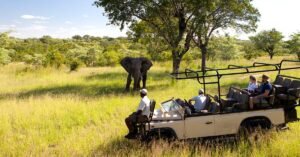

Africa is the birthplace of the safari. The word “safari” comes from Swahili, meaning journey, but in modern travel it represents something far more powerful. It means waking up before sunrise to hear lions calling across the savannah. It means watching elephants cross golden plains. It means feeling small in landscapes that stretch beyond the horizon.
If you are asking where to travel in Africa for safari, the answer depends on what kind of experience you want. Some destinations offer classic Big Five sightings. Others focus on luxury lodges and private game drives. A few specialise in remote wilderness or rare wildlife like mountain gorillas.
This guide will walk you through the best safari countries in Africa, the top parks, the best time to visit, and how to choose the right destination for your travel style and budget.
Why Africa Is the Ultimate Safari Destination?
Africa offers unmatched biodiversity. Nowhere else can you see lions, elephants, rhinos, buffalo, and leopards in such vast, open landscapes. The continent is home to iconic ecosystems like the Serengeti plains, the Okavango Delta wetlands, and the Namib Desert.
The scale is what makes Africa special. Wildlife roams freely across protected national parks and reserves that are larger than some countries. You are not looking at animals in fenced enclosures. You are observing them in their natural habitat.
Africa also provides cultural richness. Many safari destinations allow you to interact with local communities, learn about traditional lifestyles, and understand conservation efforts that protect wildlife for future generations.
Kenya: The Classic Safari Experience

When people imagine an African safari, they often picture Kenya. The country built its global reputation on wildlife tourism and still remains one of the best places to travel in Africa for safari.
Maasai Mara National Reserve
The Maasai Mara National Reserve is Kenya’s most famous safari destination. It forms part of the greater Serengeti ecosystem and hosts the Great Migration from July to October.
Millions of wildebeest cross crocodile-filled rivers in one of nature’s most dramatic events. The reserve also offers excellent chances to see the Big Five throughout the year.
Amboseli National Park
Amboseli National Park is famous for its large elephant herds and stunning views of Mount Kilimanjaro. Photographers love this park because elephants often walk across open plains with the snow-capped mountain in the background.
Tsavo National Parks
Tsavo National Park is divided into Tsavo East and Tsavo West. It is less crowded than Maasai Mara and known for its red-dust elephants. This park suits travellers who prefer quieter game drives.
Cultural Experiences
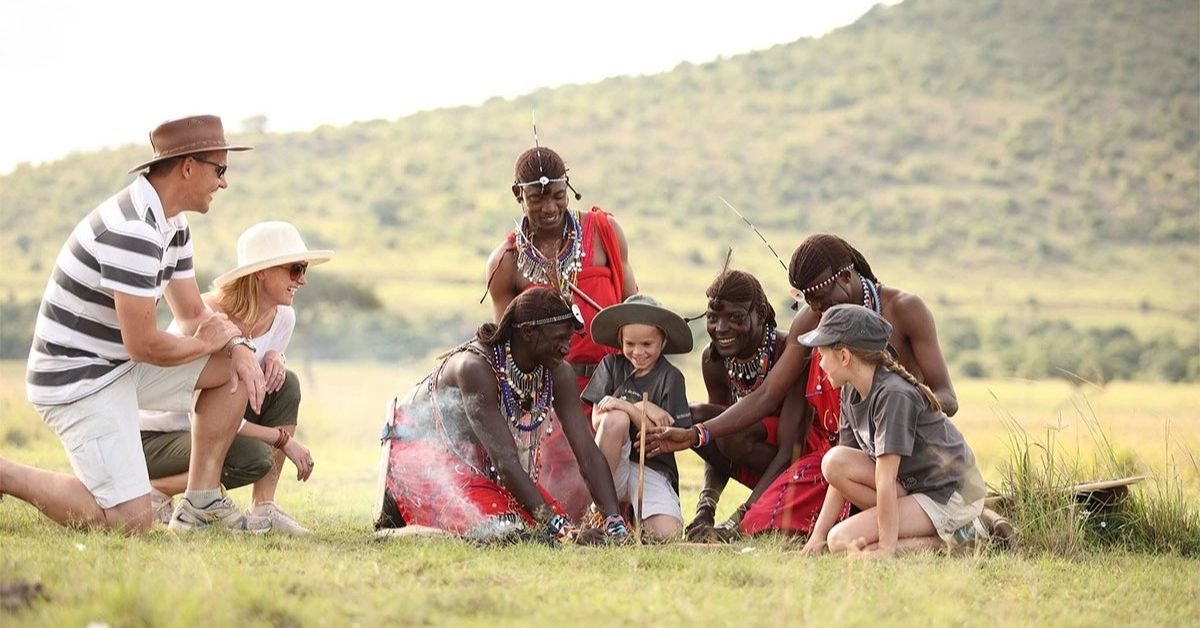
Kenya also offers opportunities to visit Maasai villages. Responsible tourism programmes allow visitors to learn about traditional customs while supporting local communities.
Tanzania: Endless Plains and Wildlife Density

Tanzania is another top answer to where to travel in Africa for safari. The country contains some of the most iconic wildlife destinations on the continent.
Serengeti National Park
Serengeti National Park is world-famous for the Great Migration. Wildlife numbers here are astonishing. Lions, cheetahs, and hyenas thrive in this predator-rich environment.
Game viewing is strong year-round, but river crossings typically occur between June and September.
Ngorongoro Crater
The Ngorongoro Crater is a massive volcanic caldera with one of the highest wildlife densities in Africa. Because animals rarely leave the crater, sightings are frequent and diverse.
Tarangire National Park
Tarangire National Park is known for giant baobab trees and large elephant populations. It is particularly impressive during the dry season when animals gather near water sources.
Zanzibar Extension
After a safari in Tanzania, many travellers fly to Zanzibar City for a beach escape. This combination of wildlife and relaxation is one of the most popular African travel itineraries.
South Africa: Safari With Comfort and Accessibility
South Africa is ideal for travellers who want reliable infrastructure, excellent roads, and a mix of comfort with authentic wildlife experiences. The country combines world-class safari parks with modern airports, quality healthcare, and diverse accommodation options, making it one of the most accessible and stress-free safari destinations in Africa.
Kruger National Park
Kruger National Park offers one of Africa’s most established safari experiences, with extensive road networks and both guided and self-drive options available. Visitors can spot the Big Five year-round, enjoy well-maintained rest camps, and experience diverse landscapes that range from open savannah to riverine forests across vast protected wilderness areas.
Sabi Sands Game Reserve
Sabi Sands Game Reserve shares an open boundary with Kruger, allowing wildlife to roam freely between areas. It is renowned for exceptional leopard sightings and luxury safari lodges. Limited vehicle numbers create intimate encounters, while expert guides and trackers enhance each game drive with detailed wildlife knowledge.
Madikwe Game Reserve
Madikwe Game Reserve is a malaria-free safari destination, making it particularly suitable for families with children. The reserve supports diverse wildlife, including the Big Five and African wild dogs. Lodges focus on comfort and personalised service, offering shorter game drives and flexible schedules for family-friendly experiences.
Addo Elephant National Park
Addo Elephant National Park protects one of the largest elephant populations in southern Africa. The park is easily accessible and suitable for self-drive safaris. In addition to elephants, visitors can see lions, buffalo, and antelope species, making it a rewarding extension to a Cape Town itinerary.
Botswana: Remote and Exclusive Safari
Botswana focuses on low-volume, high-value tourism to preserve ecosystems and reduce overcrowding. Safari camps are often remote and accessible by light aircraft, enhancing exclusivity. This conservation-driven model ensures pristine wilderness areas, intimate wildlife encounters, and a premium safari atmosphere for travellers seeking privacy.
Okavango Delta
The Okavango Delta is a seasonal inland wetland that transforms into a lush oasis during annual floods. Water-based safaris in mokoro canoes allow quiet exploration of channels filled with birds, hippos, and crocodiles. The delta supports diverse wildlife and offers a peaceful alternative to traditional game drives.
Chobe National Park
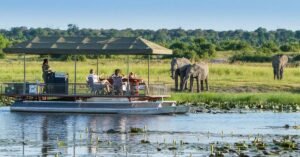
Chobe National Park is famous for its enormous elephant herds, particularly along the Chobe River. Boat safaris provide close-up views of animals drinking and bathing. The park also hosts lions, buffalo, and abundant birdlife, making it one of Botswana’s most wildlife-rich destinations.
Moremi Game Reserve
Moremi Game Reserve combines floodplains, woodlands, and savannah landscapes within the Okavango ecosystem. This diversity supports strong predator populations, including lions, leopards, and wild dogs. Game drives here feel remote and uncrowded, offering travellers an authentic wilderness safari experience with exceptional wildlife density.
Namibia: Desert Landscapes and Unique Wildlife
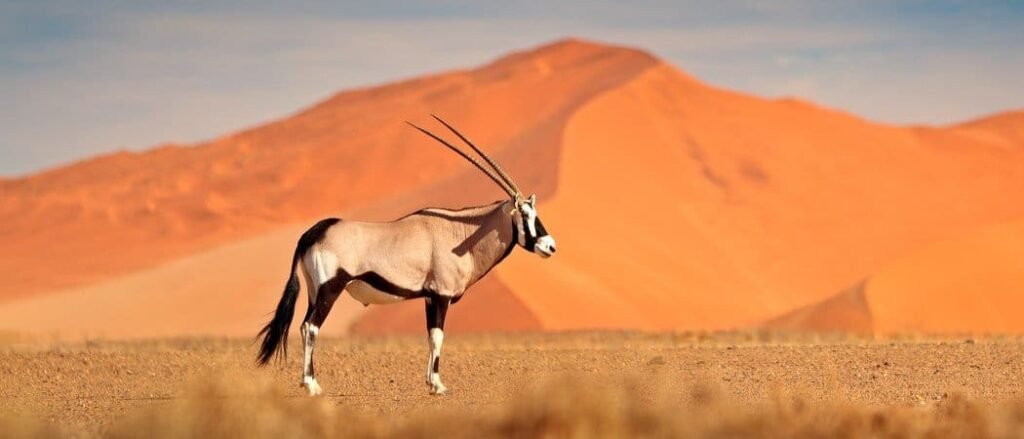
Namibia offers a distinctive safari experience shaped by vast deserts, dramatic skies, and open horizons. Wildlife survives in harsh, arid conditions, creating rare photographic opportunities. The country feels remote yet organised, making it ideal for travellers who want space, silence, and extraordinary scenery beyond traditional savannah environments.
Etosha National Park
Etosha National Park surrounds a vast salt pan visible from space. During the dry season, animals gather at waterholes, making wildlife sightings reliable and concentrated. Visitors often see elephants, lions, rhinos, and giraffes in a single day while travelling along well-maintained routes across open landscapes.
Sossusvlei
Sossusvlei is famous for its towering red dunes that rise dramatically from the desert floor. Although it is not a traditional safari destination, the surreal scenery attracts photographers and nature lovers. Sunrise and sunset transform the dunes into glowing landscapes that feel almost otherworldly.
Namibia is excellent for self-drive travellers seeking independence and flexibility. Roads are generally well maintained, distances between attractions are manageable, and campsites or lodges are strategically placed. This makes planning straightforward while still delivering a strong sense of remote adventure.
Uganda and Rwanda: Gorilla Safari Experiences
Uganda and Rwanda offer one of the most intimate wildlife encounters in Africa through gorilla trekking. These safaris focus on conservation and controlled visitor numbers. Permits are required, guides are highly trained, and encounters are carefully managed to protect endangered mountain gorillas.
Bwindi Impenetrable Forest
Bwindi Impenetrable Forest shelters nearly half of the world’s remaining mountain gorillas. Treks can be physically demanding, involving steep terrain and dense vegetation. However, standing just metres from a gorilla family in their natural habitat creates a powerful and unforgettable wildlife experience.
Volcanoes National Park
Volcanoes National Park provides a refined gorilla trekking experience with excellent guiding standards and comfortable lodges. The park’s mist-covered mountains create a dramatic backdrop for encounters. Strict conservation policies ensure that tourism directly supports gorilla protection and surrounding local communities.
Kibale National Park
Kibale National Park is renowned for chimpanzee tracking. Guided forest walks allow visitors to observe chimpanzees interacting, feeding, and communicating in the wild. The park also supports numerous primate species, making it one of Africa’s richest destinations for rainforest wildlife exploration.
Primate safaris require moderate fitness levels and preparation, but they offer deep emotional connections. Unlike vehicle-based game drives, trekking places visitors on foot within forest environments, creating closer engagement with wildlife and stronger appreciation for conservation efforts.
Zambia and Zimbabwe: Walking Safaris and Victoria Falls
Zambia and Zimbabwe appeal to travellers seeking adventurous safari styles beyond traditional vehicle game drives. These destinations emphasise immersive experiences, including walking and canoe safaris. Wildlife viewing feels raw and authentic, often with fewer vehicles and a stronger sense of untouched wilderness.
South Luangwa National Park
South Luangwa National Park is recognised as the birthplace of the modern walking safari. Guided walks allow visitors to observe tracks, plants, and smaller wildlife details often missed from vehicles. The park also supports strong populations of lions, leopards, and elephants.
Lower Zambezi National Park
Lower Zambezi National Park offers canoe safaris along the Zambezi River, where travellers quietly paddle past elephants and hippos at the water’s edge. This perspective provides a calm yet thrilling alternative to standard game drives within a scenic riverine landscape.
Hwange National Park
Hwange National Park is Zimbabwe’s largest wildlife reserve and is especially known for its large elephant herds. Seasonal waterholes attract diverse species, creating rewarding viewing opportunities. The park’s open terrain supports healthy predator populations and relatively uncrowded safari experiences.
Victoria Falls
Victoria Falls can easily be combined with safari itineraries in both Zambia and Zimbabwe. The immense waterfall creates a dramatic finale to wildlife adventures. Visitors can explore viewpoints, take guided tours, or enjoy river activities, adding scenic variety to a classic African safari journey.
Best Safari Experiences by Travel Style
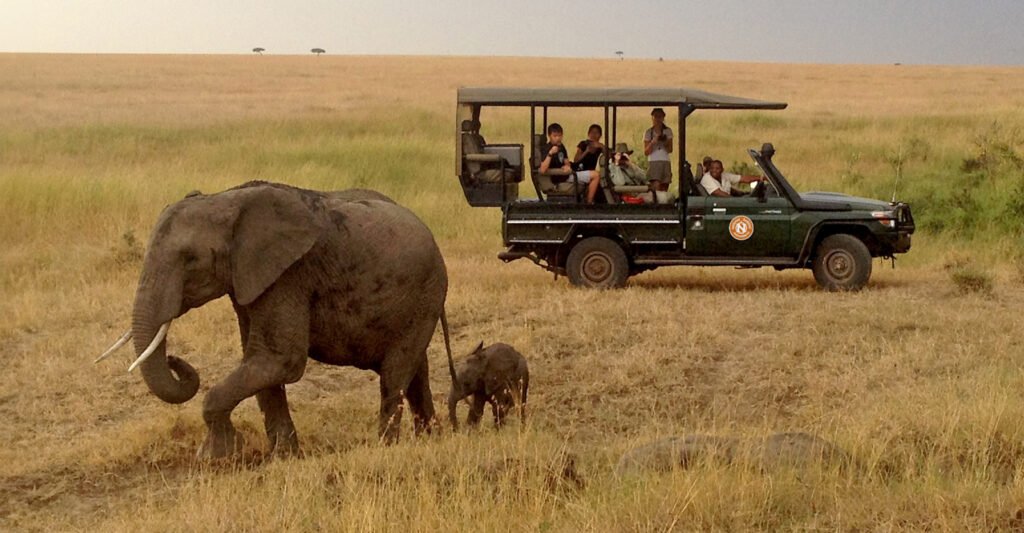
Choosing where to travel in Africa for safari depends heavily on your travel style, expectations, and comfort level. Some destinations suit first-time visitors, while others focus on exclusivity, romance, or affordability. Matching your safari country to your personal travel goals ensures a smoother, more rewarding experience overall.
Best for First-Time Safari Travellers
First-time safari travellers often feel most comfortable in Kenya, Tanzania, or South Africa because infrastructure is strong and wildlife viewing is consistent. Parks are well managed, guides are experienced, and transport connections are reliable. These destinations provide classic Big Five sightings without complicated logistics or extreme remoteness.
Best for Luxury Safari Seekers
Luxury travellers typically choose Botswana or private reserves within South Africa for personalised service and exclusivity. Camps operate with limited guest numbers, ensuring privacy and quiet game drives. High-end lodges offer fine dining, spacious suites, plunge pools, and exceptional guiding standards within protected wilderness areas.
Best for Budget-Conscious Travellers
Budget travellers often find self-drive safaris in South Africa or Namibia more affordable than fly-in experiences elsewhere. National parks provide reasonably priced accommodation and flexible exploration. Sharing vehicles or joining small group tours further reduces costs while still delivering impressive wildlife encounters.
Best for Honeymoon Safaris
Honeymoon couples frequently combine Serengeti safaris with Zanzibar’s white-sand beaches for a balanced romantic escape. Private lodges, candlelit dinners, and scenic sunsets enhance intimacy. This blend of thrilling wildlife encounters and relaxing coastal retreats creates an unforgettable and well-rounded honeymoon experience.
Best for Family Safaris
Families often select malaria-free reserves such as Madikwe in South Africa for added peace of mind. Lodges offer child-friendly programmes, shorter game drives, and flexible schedules. Safe environments, professional guides, and comfortable accommodation make safari travel manageable and memorable for younger travellers.
How Much Does an African Safari Cost?
Budget safaris can start from moderate daily rates if you join group tours or camp. Mid-range safaris offer comfortable lodges and private vehicles at higher rates. Luxury safaris in Botswana or private reserves can reach premium pricing due to exclusivity and fly-in access.
Flights, park fees, tipping, and internal transfers add to total costs. Planning early helps secure better rates.
When Is the Best Time to Go on Safari?
Timing plays a major role in deciding where to travel in Africa for safari. Wildlife behaviour changes with the seasons, and weather conditions directly affect visibility and accessibility. Understanding the difference between dry and wet seasons helps you plan a safari that matches your expectations.
Dry Season Advantages
The dry season generally offers the most reliable wildlife viewing. As water sources shrink, animals gather around rivers, lakes, and waterholes. Vegetation becomes thinner, making animals easier to spot during game drives. In East Africa, the dry season usually runs from June to October. In Southern Africa, it often falls between May and September. Cooler temperatures and lower humidity also make outdoor activities more comfortable.
Wet Season Benefits
The wet season transforms landscapes into lush green environments filled with dramatic skies and newborn wildlife. This period often brings fewer tourists and more competitive lodge rates. Birdwatching is particularly rewarding as migratory species arrive. However, dense vegetation can make wildlife sightings less predictable, and occasional rain may affect road conditions in remote areas.
Responsible Safari Travel
Responsible safari travel ensures that wildlife tourism continues to protect ecosystems and support local communities. Ethical choices made by travellers directly influence conservation success across Africa. Selecting reputable operators and respecting wildlife guidelines creates long-term benefits for both animals and people.
Supporting Conservation and Communities
Choose lodges and tour operators that invest in conservation projects and local employment. Many safari camps fund anti-poaching units, wildlife monitoring programmes, and community schools. Your stay can contribute directly to habitat protection and economic development when you select operators with transparent sustainability practices.
Ethical Wildlife Guidelines
Avoid attractions that allow physical contact with wild animals or promote staged interactions. Follow park rules, maintain safe distances, and listen carefully to professional guides. Respecting animals’ space reduces stress on wildlife and ensures that safari tourism remains a positive force for conservation across Africa.
Must Read:
- Is It Safe To Travel To Moracco?
- Chobe Safari Lodge Africa Travel Resource
- Spain Travel Barcelona Sagrada Familia
Final Thoughts:
If you want classic savannah wildlife and the Great Migration, choose Kenya or Tanzania. If you prefer comfort and easy access, South Africa is ideal. If exclusivity matters most, Botswana stands out. If you want dramatic desert scenery, Namibia delivers. If gorilla trekking is your dream, head to Uganda or Rwanda.
Africa offers more than just wildlife. It offers connection, perspective, and unforgettable experiences.
The best safari destination is the one that matches your travel style, budget, and expectations. With careful planning, your African safari can become one of the most meaningful journeys of your life.